
Cat sneezing is something most cat owners will notice sooner or later. In some cases, a cat sneezes to clear dust, pollen, or a mild irritant from its nose. This is normal and usually not a cause for worry. Cats can’t tell us when they’re not feeling well. Therefore, even small changes in their behavior can provide important clues.
Understanding normal sneezing patterns can help you identify health issues in your cat. If sneezing becomes persistent, it may be a sign of something more serious. This enables you to make better choices for your cat’s health. This guide covers why cats sneeze, how to treat it, and when to visit a vet.
Is cat sneezing normal?
Yes, in most cases, occasional cat sneezing is completely normal. Cats sneeze like humans do. Dust, pollen, loose fur, or other mild irritants can irritate their noses. A sneeze now and then, or even a few in a row, is usually fine if your cat is healthy. If your cat eats well, stays active, and behaves like other cats, you probably don’t need to worry.
If your cat sneezes a lot for several days or has other health issues, it may need veterinary attention. Persistent sneezing can be caused by respiratory infections, dental disease, nasal inflammation, and other medical issues.
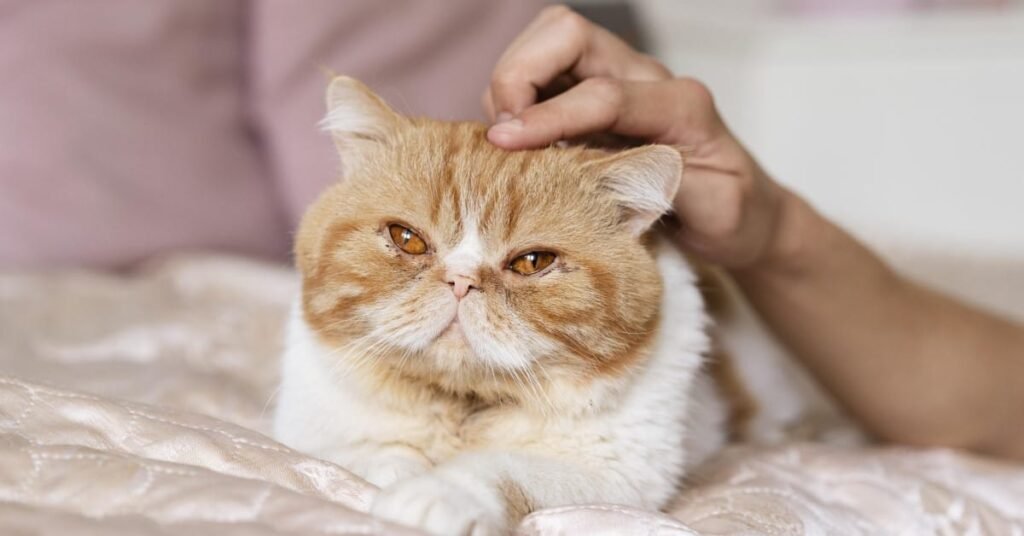
Causes of Cat Sneezing
Cat sneezing can happen for many different reasons. It may be caused by dust in the air. However, frequent sneezing can signal an infection or another health issue. Below are the most common causes of cat sneezing and what they could mean for your cat’s health.
Upper Respiratory Infections
Upper respiratory infections are one of the most common causes of cat sneezing. These infections usually come from viruses like feline herpesvirus (FHV-1) or feline calicivirus (FCV). Sometimes, bacteria may also play a role. Cats can develop a runny nose, watery eyes, and nasal congestion. Fever and a reduced appetite are also common.
Environmental Irritants
Cats have sensitive noses, and everyday irritants can trigger sneezing. Dust, pollen, cigarette smoke, perfumes, scented candles, cleaning products, and cat litter can irritate nasal passages. Once the irritant is removed, the sneezing often subsides.
Allergies
Although allergies are less common in cats than in humans, they can still cause sneezing in some cats. Environmental allergens like pollen, mold, and dust mites often cause mild respiratory symptoms, especially during specific seasons.
Dental Disease
A dental infection can sometimes cause sneezing. This happens because the roots of the upper teeth are near the nasal passages. Bacteria from an infected tooth can irritate nasal passages. This may cause cats to sneeze many times.
Foreign Objects in the Nose
Curious cats sometimes inhale small objects like grass blades or seeds. A foreign object stuck in the nose can lead to sudden, repeated sneezing. It usually affects one nostril.
Nasal Polyps
Nasal polyps are non-cancerous growths that can obstruct the nasal passages. They may lead to chronic sneezing, noisy breathing, and nasal discharge. They need veterinary treatment to remove them.
Nasal Tumors
Tumors in the nasal cavity can cause sneezing, but this is rare and primarily affects older cats. Other signs may include nosebleeds, facial swelling, or difficulty breathing. Early diagnosis is important for the best treatment options.
Fungal Infections
Fungal infections can impact a cat’s nose and sinuses. This may cause chronic sneezing and nasal discharge. These infections are uncommon but need proper veterinary treatment.
Chronic Rhinitis
Chronic rhinitis in cats is long-term inflammation of the nasal passages. It often happens after a bad respiratory infection. It can lead to sneezing, congestion, and a runny nose.
Sneezing After Vaccination
Some cats may sneeze for a day or two after receiving an intranasal vaccine. This is usually a mild, temporary reaction and often resolves without treatment.
Stress-Related Flare-Ups
Stress doesn’t cause sneezing by itself. But it can lead to flare-ups in cats with feline herpesvirus. Moving to a new home, traveling, or adding a new pet can trigger sneezing again.
Symptoms That Can Occur Along With Cat Sneezing
Cat sneezing is often one sign that something is affecting your cat’s health. An occasional sneeze is usually not a big deal. But other symptoms can indicate underlying issues. Check your cat’s eyes, nose, breathing, appetite, and behavior. This helps you to decide if the sneezing is normal or if you need to visit a vet.
Cat Sneezing but Acting Normal
If your cat sneezes now and then but still eats, plays, and acts normal, don’t worry. Dust, pollen, or another mild irritant may be the cause. This could be the early stage of a viral upper respiratory infection. Other symptoms may not appear yet.
Cat Sneezing With Watery Eyes
When a cat sneezes and has watery eyes, a viral upper respiratory infection is usually the cause. Allergies can also trigger both of these symptoms. If the discharge is thick, yellow, or green, or if your cat seems uncomfortable, take them to the vet.
Cat sneezing with blood
Never ignore sneezing blood. It could be due to a foreign object in the nose, a fungal infection, dental issues, a nasal tumor, or irritation from forceful sneezing. Contact your veterinarian immediately if you notice this occurs.
Cat Sneezing After Vaccination
Some cats might sneeze a little for a few days after getting an intranasal vaccine. This is a normal immune response and usually goes away on its own. If sneezing lasts over a week or your cat shows other signs, see your vet.
Sneezing in Indoor Cats
Living indoors doesn’t drop the risk of sneezing. Indoor cats can still get viral infections. They might also react to things in the home. Common irritants include dusty litter, scented candles, air fresheners, cigarette smoke, and cleaning products. Reducing exposure to these irritants may help prevent occasional sneezing.
Loss of Appetite
A blocked or congested nose can reduce your cat’s sense of smell, making food less appealing. If your cat stops eating or drinks less than usual, it may signal a more serious underlying condition.
How Veterinarians Diagnose Cat Sneezing
Cat sneezing can happen for many reasons. It might be a little irritation or something more serious. Because of this, veterinarians don’t rely on a single test to make a diagnosis. They start with a physical exam. Then, they check your cat’s medical history and ask about any other symptoms. They may suggest extra tests to find the cause.
Common Diagnostic Tests
Physical and dental exam: The first step is usually a physical and dental exam. Dental disease is a common cause of cat sneezing.
Treatment trials: A short medication course may be suggested to see how your cat responds. This helps narrow down the possible cause.
Imaging (X-rays or CT scan): This is used if a foreign object, nasal tumor, or structural issue is suspected. A CT scan provides more detailed images but generally requires anesthesia.
Rhinoscopy: A small camera checks the nasal passages. This is usually done while your cat is under anesthesia.
Biopsy: Small tissue samples can be taken during rhinoscopy. This helps to check inflammation, fungal infections, or cancer.
Nasal flush: This procedure clears trapped material from the nasal passages. It can also help with diagnosis.
Blood tests: Bloodwork looks for problems like FIV or FeLV. This is important for cats with ongoing respiratory infections.
Treatment Options for Cat Sneezing
The treatment for cat sneezing depends on the underlying cause. A single sneeze often doesn’t need treatment. But if sneezing happens often or doesn’t stop, it might be time to see a vet. After finding the cause, your vet will suggest the best treatment for your cat.
Viral infections: Most viral infections are treated with supportive care, including rest, proper hydration, good nutrition, and, in some cases, antiviral medication.
Bacterial infections: Antibiotics may be prescribed to treat bacterial infections and help clear the symptoms.
Fungal infections: These infections often require long-term antifungal medication to eliminate the fungus.
Allergies or environmental irritants: Treatment focuses on avoiding the trigger. Your veterinarian may also recommend medication to relieve allergy symptoms if needed.
Dental disease: If a dental problem is causing the sneezing, treatment may include a professional dental cleaning, treatment of the infection, or tooth extraction.
Foreign object in the nose: Any object trapped inside the nasal passage usually needs to be removed by a veterinarian, often under sedation.
Nasal polyps: These non-cancerous growths are typically treated with surgical removal.
Nasal tumors: Treatment depends on the type and stage of the tumor and may include a biopsy, surgery, radiation therapy, or referral to a veterinary specialist.
Chronic rhinitis: Although there is no permanent cure, long-term management can help reduce symptoms and improve your cat’s quality of life.
Sneezing after vaccination: Mild sneezing after an intranasal vaccine usually resolves on its own within a few days and rarely requires treatment.
Home Care
If your cat is sneezing a little but seems fine otherwise, you can take some simple steps at home. These measures can help keep them comfortable while you watch for any changes.
Keep the air humid:
Using a humidifier can help soothe irritated nasal passages and make breathing easier.
Clean away nasal discharge:
Gently wipe your cat’s nose and eyes with a warm, damp cloth to keep them clean and comfortable.
Provide fresh water:
Make sure your cat always has access to clean, fresh water to stay well hydrated.
Reduce household irritants:
Keep your cat away from cigarette smoke, scented candles, air fresheners, strong cleaning products, and dusty cat litter.
Keep their environment clean:
Wash bedding regularly and keep the litter box and living area free of dust and debris.
Monitor your cat closely:
If the sneezing becomes more frequent or your cat develops nasal discharge, difficulty breathing, loss of appetite, or lethargy, contact your veterinarian promptly.
Prevention
You can’t stop every sneeze, but you can lower your cat’s risk of respiratory issues with these easy steps.
- Keep your cat’s vaccinations up to date. The FVRCP vaccine is a core vaccine. It protects against common viruses, including respiratory infections.
- Help reduce your cat’s stress by keeping a steady routine. Stress can cause flare-ups of feline herpesvirus.
- Choose an unscented, low-dust cat litter to reduce nasal irritation.
- Avoid smoking indoors. Also, limit the use of strong-scented candles and air fresheners.
- Schedule regular dental checkups for your cat. This helps find and fix tooth issues before they impact their nasal passages.
- If you’re adding a new cat to a home with other cats, keep the new cat separate for one to two weeks. This helps reduce the risk of spreading contagious respiratory infections.
Signs Your Cat Needs Help
A single sneeze is generally okay. But if it persists or if there are other symptoms, your cat may need to see a vet.
Contact your veterinarian if your cat:
- Sneezed for more than 2–3 days.
- Has thick, yellow, green, or bloody nasal discharge.
- Acts lethargic, loses its appetite, or starts losing weight.
- Develops coughing, wheezing, or difficulty breathing.
- The cat sneezes from only one nostril or shows facial swelling.
Emergency Warning Signs
Seek immediate veterinary care if your cat has any of the following:
- Difficulty breathing or open-mouth breathing.
- Heavy or persistent bleeding from the nose.
- Refuses to eat for more than 24 hours.
- Extreme weakness, severe lethargy, or collapse.
- Facial swelling that worsens quickly requires immediate attention.
Frequently Asked Questions
Can I treat cat sneezing at home?
Mild sneezing may improve with rest, hydration, and reducing irritants. However, persistent or severe symptoms require veterinary care.
Is my sneezing cat contagious to me?
No. The common causes of cat sneezing, including cat flu, don’t spread to humans.
Can I give my cat human cold medicine?
No. Many human medications are toxic to cats. Always check with a vet before giving any medication.
Can I treat cat sneezing at home?
Mild sneezing may improve with rest, hydration, and reducing irritants. However, persistent or severe symptoms require veterinary care.
Can a cat sneeze from excitement or play?
Yes, some cats sneeze briefly during play or excitement; this is usually harmless and unrelated to illness.
Conclusion
Cat sneezing is a symptom rather than a disease and can be caused by anything from a minor irritation to infections, allergies, dental disease, nasal polyps, or other underlying health conditions. While an occasional sneeze is often harmless, frequent sneezing or sneezing accompanied by nasal discharge, eye problems, loss of appetite, or difficulty breathing should be evaluated by a veterinarian. Understanding the possible causes, recognizing warning signs, and seeking timely veterinary care can help ensure an accurate diagnosis and appropriate treatment. Combined with good home care, routine vaccinations, and regular veterinary checkups, early attention to cat sneezing can help protect your cat’s respiratory health and overall well-being.