
Cat coughing is not a disease itself but a sign that something is affecting your cat’s airways or lungs. While a single cough may occur because of a minor irritation or a hairball, frequent or persistent coughing can be linked to conditions such as asthma, respiratory infections, parasites, allergies, or heart disease. Because coughing is relatively uncommon in cats, it should never be ignored.
Identifying the cause is important because treatment depends on the underlying problem. In this guide, you’ll learn what causes cat coughing, the symptoms to watch for, how veterinarians diagnose and treat it, and when your cat should be examined.
What Is Cat Coughing?
Cat coughing is your cat’s way of clearing the airways when something irritates the throat, windpipe, or lungs. It can be triggered by dust, mucus, smoke, a hairball, or an underlying health condition.
Healthy cats do not cough very often, so frequent or chronic coughing should not be neglected. If your cat coughs frequently or shows symptoms such as wheezing, breathing problems, or lack of appetite, you should get them checked by a veterinarian.
Is Cat Coughing Normal?
No. Unlike humans, coughing is not a regular part of a healthy cat’s daily routine. A single cough may not usually indicate a problem. Your cat may cough after inhaling dust, being exposed to a minor irritant, or trying to pass a hairball.
However, if the coughing persists or your cat develops additional symptoms, it is important to consult a veterinarian.
Symptoms of Cat Coughing
Cat coughing can be only one symptom that is wrong with your cat’s health. An occasional cough is not necessarily cause for an issue , but having other symptoms along with the cough might help you determine whether it is a minor irritation or a serious health condition.
Cat Coughing but Acting Normal
If your cat coughs once in a while but is still eating, playing, and acting normally, it’s usually not a cause for concern. A mild throat irritation or an occasional hairball may be the reason.
Cat Coughing With Wheezing
A cough followed by wheezing usually indicates that your cat’s airways are irritated or inflamed. Feline asthma is one of the most prevalent causes, although respiratory infections and other lung diseases can also cause wheezing.
Cat Coughing After Meals
Some cats may cough briefly after eating if food or water irritates the throat or goes down the wrong way. However, if your cat coughs after meals regularly, it could be a sign of an underlying problem that needs veterinary evaluation.
Dry Cat Cough
A dry cat cough is usually harsh and does not produce mucus. It’s commonly seen in cats with asthma, allergies, or mild irritation of the airways.
Wet Cat Cough
A wet cat cough often sounds moist due to mucus or fluid buildup in the airways. This can indicate a more serious respiratory issue and should be evaluated by a veterinarian.
Cat Coughing With Vomiting
A long or forceful coughing spell can sometimes make a cat vomit. While it may happen occasionally, repeated coughing followed by vomiting may point to an underlying condition that needs further investigation.
Cat Coughing at Night
Some cats cough more while resting or sleeping. This can happen with conditions such as feline asthma or other long-term respiratory diseases. If nighttime coughing becomes frequent, it should not be ignored.
Cat Coughing with Difficulty Breathing
Coughing along with difficulty breathing is a medical emergency. If your cat is breathing with an open mouth, struggling to breathe, or has blue or pale gums, seek veterinary care immediately.
Common Causes of Cat Coughing
Cat coughing can occur for a variety of reasons, ranging from mild airway irritation to more serious respiratory or cardiac problems. Understanding the causes can help you determine when a cough is harmless and when it requires veterinarian care.
Feline Asthma
One of the frequent reasons for chronic coughing in cats is feline asthma. It happens when airways constrict and become irritated, making breathing more difficult. Cats with asthma may also wheeze, breathe rapidly, or cough after exercise or excitement.
Upper Respiratory Infections
Viral or bacterial respiratory infections can irritate the airways and lead to coughing. Depending on the infection, your cat may also develop sneezing, nasal discharge, watery eyes, or a fever.
Hairballs
Hairballs normally induce nausea or itching, but if loose hair irritates the throat, coughing may occur. Consult a veterinarian if you have frequent coughing that looks like a hairball but does not produce one.
Allergies and Environmental Irritants
Smoke, dust, scented candles, air fresheners, cleaning products, and other airborne irritants can trigger coughing in sensitive cats. Reducing exposure to these irritants may help relieve mild symptoms.
Heartworm Disease
Heartworm illness, while less frequent in cats than in dogs, can impact the lungs and cause coughing, breathing problems, and vomiting. Even a tiny number of heartworms can cause significant illness in cats.
Lung Parasites
Lungworms and other parasites can irritate the lungs and airways, leading to a persistent cough. Outdoor cats and those that hunt prey are generally at a higher risk.
Pneumonia
Pneumonia is an infection or inflammation of the lungs that can cause coughing, fever, lethargy, reduced appetite, and difficulty breathing. It requires proper veterinary treatment.
Foreign Objects
Grass blades, seeds, or other tiny items might become trapped in the throat or airways, resulting in a sudden cough. These cases often require veterinary removal.
Heart Disease
Certain cardiac issues can cause fluid to accumulate around the lungs, resulting in coughing and breathing difficulties. Coughing is less prevalent with heart disease in cats than in dogs, but it should be investigated.
Tumors or Cancer
Nasal, throat, or lung tumors are a less common cause of cat coughing but become more likely in older cats. Persistent coughing, weight loss, or coughing with blood should always be assessed by a veterinarian.
How Veterinarians Diagnose Cat Coughing
When your cat has a persistent cough, your veterinarian will begin with a physical examination and questions about their symptoms. Depending on the findings, further tests may be recommended to confirm the diagnosis.
Common Diagnostic Tests
Physical examination:
Your veterinarian will listen to your cat’s heart and lungs, examine their breathing, and search for any symptoms of disease or distress.
Chest X-rays:
X-rays help to evaluate lungs, heart, and airways. They can detect problems such as asthma, pneumonia, heart disease, lung tumors, or fluid around the lungs.
Blood tests:
Blood tests give information about your cat’s overall health and can detect symptoms of infection, inflammation, or other underlying issues. Additional testing for heartworm disease or specific diseases may be necessary.
Fecal examination:
If lungworms or other parasites are suspected, a stool sample may be checked for parasite eggs or larvae.
Airway sampling:
A sample of mucus or cells from the airways may be collected to look for bacteria, fungi, inflammation, or other abnormalities.
Bronchoscopy:
A thin, flexible camera is used to examine the airways while your cat is under anesthesia. It can help to detect inflammation, foreign objects, tumors, or structural problems, and allows samples to be collected if needed.
Treatment Options for Cat Coughing
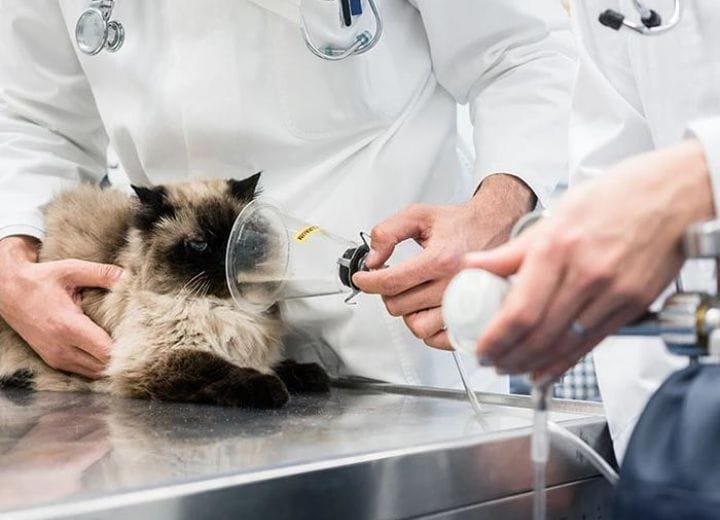
There is no standard remedy for cat coughing because the best strategy is determined by the cause. After determining the underlying cause, your veterinarian will suggest a suitable treatment strategy for your cat’s health.
Managing Feline Asthma
Asthma is commonly treated with anti inflammatory medications, such as corticosteroids, to reduce airway inflammation. Bronchodilators may also be used to help keep the airways open and make breathing easier.
Treating Respiratory Infections
Most viral infections improve with supportive care, including rest, fluids, and good nutrition. If bacteria are involved, antibiotics may be prescribed.
Managing Hairballs
When hairballs are the cause, regular grooming, hairball-control diets, or hairball remedies can help reduce future episodes.
Controlling Allergies and Irritants
The first step is removing or reducing the trigger whenever possible. Limiting exposure to smoke, dust, perfumes, scented litter, and cleaning products may help relieve coughing.
Managing Heartworm Disease
There isn’t a medication that safely eliminates adult heartworms in cats. Treatment focuses on managing symptoms and closely monitoring your cat’s condition.
Treating Lung Parasites
Lungworm infections are treated with prescription deworming medication recommended by your veterinarian.
Treating Pneumonia
Treatment often includes antibiotics, supportive care, and, in severe cases, oxygen therapy or hospitalization.
Removing Foreign Objects
If something is lodged in the airway, it usually needs to be removed by a veterinarian using specialized equipment or, in some cases, surgery.
Managing Heart Disease
When heart disease is responsible for the cough, treatment aims to improve heart function and reduce fluid buildup around the lungs.
Treating Tumors or Cancer
Treatment varies depending on the type and stage of the tumor. Options may include surgery, chemotherapy, radiation therapy, or referral to a veterinary specialist.
Home Care for Cat Coughing
If your cat has a minor cough but is still eating, playing, and behaving normally, a few easy home remedies can help to keep them comfortable.
Keep your cat hydrated
Fresh water helps keep the airways moist and supports overall health.
Reduce irritants
Avoid cigarette smoke, vaping, scented candles, air fresheners, and strong cleaning products that may trigger coughing.
Use a humidifier
Moist air can help soothe irritated airways and make breathing more comfortable.
Keep your home clean
Regular vacuuming and reducing dust around your cat’s bedding can help limit irritation.
Create a calm environment
Stress can make some respiratory conditions worse, so give your cat a quiet place to rest.
Encourage eating
Warming wet food slightly can make it more appealing if your cat has a reduced appetite.
Watch for changes
Notice how often your cat coughs, whether the cough changes, and if any new symptoms appear. A short video of a coughing episode can also be helpful for your veterinarian.
How to Prevent Cat Coughing
Not every cause of cat coughing can be prevented, but good daily care can help keep your cat’s lungs healthy and lower the risk of respiratory problems.
Keep vaccinations up to date: Core vaccines help protect against several infectious diseases that can affect the respiratory system.
Use parasite prevention
Follow your veterinarian’s recommendations for heartworm and parasite prevention, especially if your cat spends time outdoors.
Reduce exposure to irritants
Avoid cigarette smoke, vaping, scented candles, air fresheners, dusty cat litter, and harsh cleaning products that may irritate the airways.
Keep your home clean
Regularly vacuum carpets, wash your cat’s bedding, and minimize dust to create a healthier environment.
Maintain a healthy weight
Excess weight can make breathing more difficult and may worsen existing respiratory conditions.
Schedule regular veterinary checkups
Routine health examinations can help detect medical problems before they become more serious.
Monitor recurring coughs
If your cat develops a cough that keeps returning, don’t ignore it. Early diagnosis and treatment can help prevent complications.
When to See a Veterinarian
A cough that doesn’t go away or is accompanied by other symptoms should always be checked by a veterinarian. Early treatment can help identify the cause before the condition becomes more serious.
Contact your veterinarian if your cat:
- Continue coughing for more than 2–3 days or the cough becomes more frequent.
- Develops wheezing, noisy breathing, or difficulty breathing.
- Coughs up blood, mucus, or fluid.
- Eats less than usual or starts losing weight.
- Becomes unusually tired or less active.
- Develops a fever, nasal discharge, or watery eyes.
- Keeps coughing even after home care or the cough keeps coming back.
Emergency Warning Signs
Seek immediate veterinary care if your cat:
- Is breathing with an open mouth or struggling to breathe.
- Has blue, gray, or very pale gums.
- Collapses or becomes extremely weak or unresponsive.
- Coughs up large amounts of blood.
- Shows severe breathing distress that doesn’t improve.
Conclusion
Cat coughing should never be ignored, especially if it happens repeatedly or is accompanied by other signs of illness. While some cases are mild and temporary, others may be linked to underlying health conditions that require veterinary care. Paying attention to changes in your cat’s breathing, appetite, and behavior can help you recognize when something isn’t right. Early diagnosis and appropriate treatment offer the best chance of a full recovery and help keep your cat healthy in the long term.
Frequently asked questions
Can allergies cause cat coughing?
Yes. Dust, pollen, smoke, and strong fragrances can irritate your cat’s airways and trigger coughing.
Can indoor cats develop a cough?
Yes. Indoor cats can still cough because of asthma, allergies, respiratory infections, or household irritants like dust and smoke.
Why is my cat coughing and wheezing?
Coughing with wheezing is often linked to feline asthma, but other respiratory conditions can cause similar symptoms. A veterinary examination is recommended.
Is cat coughing contagious?
It depends on the cause. Coughing caused by some respiratory infections can spread to other cats, while asthma, allergies, and hairballs are not contagious.
Is cat coughing always caused by a hairball?
No. Hairballs can cause, but asthma, respiratory infections, heartworm disease, and lung parasites are also common causes.