
Distemper vaccine for cats is one of the most important vaccines your cat can receive. It protects against feline panleukopenia, commonly known as cat distemper, a highly contagious viral disease that can spread quickly between cats. The virus attacks the immune system and digestive tract, often causing severe vomiting, diarrhea, dehydration, and a dangerous drop in white blood cells. Kittens and unvaccinated cats are at the highest risk of serious illness, but cats of any age can become infected if they aren’t properly protected. Because there is no cure that directly eliminates the virus, vaccination remains the most effective way to reduce the risk of infection and its potentially life-threatening complications.
Vaccination is the most effective way to lower the risk of this preventable disease. Even indoor cats can be exposed to viruses carried into the home on shoes, clothing, pet carriers, or by contact with other animals. Protecting your cat early through vaccination helps build immunity before exposure occurs.
This guide explains how the distemper vaccine works, when it’s recommended, possible side effects, and the protection it provides.
What Is the Distemper Vaccine for Cats?
The distemper vaccine for cats is a core vaccine that protects against feline panleukopenia (FPV), a highly contagious and potentially fatal viral disease. It’s usually given as part of the FVRCP vaccine, which also protects against feline herpesvirus and feline calicivirus.
This vaccine helps your cat’s immune system recognize and fight these viruses before they can cause serious illness. Because cat distemper spreads easily and can survive in the environment for months, vaccination is considered the most effective way to protect cats of all ages, especially kittens.
What Does the Distemper Vaccine Protect Against?
The distemper vaccine for cats protects against three serious viral diseases through the FVRCP vaccine:
Feline panleukopenia (Cat Distemper)
A highly contagious virus that attacks the immune system and intestines, causing severe vomiting, diarrhea, dehydration, and a low white blood cell count.
Feline Herpesvirus (FHV-1)
A common cause of upper respiratory infections that can lead to sneezing, eye discharge, nasal congestion, and recurring flare-ups.
Feline Calicivirus (FCV)
A virus that can cause mouth ulcers, sneezing, nasal discharge, fever, and, in some cases, joint pain or pneumonia.
Why Is the Distemper Vaccine Important?
The distemper vaccine for cats protects against diseases that can spread quickly and become life-threatening, especially in kittens and unvaccinated cats. Some of these viruses can survive in the environment for months, making it easy for cats to become infected through contaminated surfaces, food bowls, litter boxes, or direct contact with infected cats.
Vaccination not only lowers your cat’s risk of serious illness but also helps reduce the spread of disease to other cats. Even indoor cats can be exposed to viruses carried into the home on shoes, clothing, or other objects, which is why veterinarians recommend this vaccine for all cats.
Which Cats Need the Distemper Vaccine?
The distemper vaccine for cats is recommended for all cats, regardless of whether they live indoors or outdoors. Because the virus spreads easily and can survive in the environment for a long time, every cat benefits from vaccination.
The vaccine is especially important for:
Kittens
They have developing immune systems and are at the highest risk of severe illness.
Unvaccinated cats
Cats that have never been vaccinated are more likely to become infected.
Outdoor cats
They have a greater chance of coming into contact with infected cats or contaminated environments.
Cats in shelters or multi-cat homes
Living with other cats increases the risk of exposure.
Adult cats
Regular boosters help to maintain long-term protection.
Distemper Vaccine Schedule for Cats
The distemper vaccine for cats is usually given as part of the FVRCP vaccine. Kittens need a series of vaccinations because the protection they receive from their mother gradually decreases as they grow.
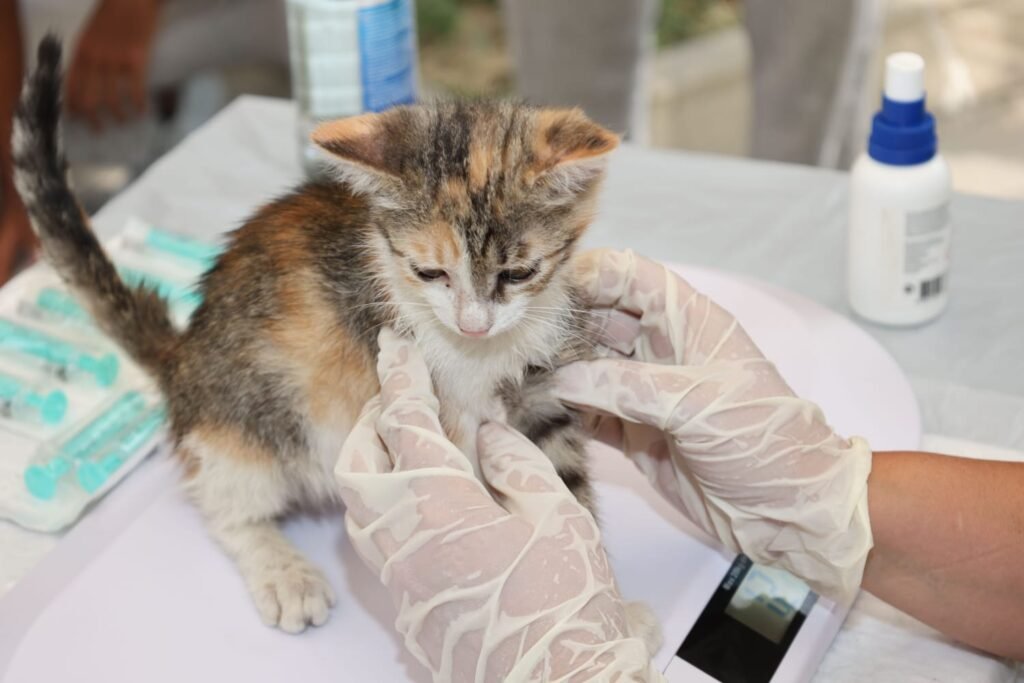
Kittens
First dose: 6–8 weeks of age
Additional doses: Every 3–4 weeks until 16–20 weeks of age
Booster: 1 year after the final kitten vaccine
Adult Cats
Previously vaccinated cats:
Booster every 1–3 years, depending on your veterinarian’s recommendation and your cat’s lifestyle.
Unvaccinated adult cats:
Usually receive 2 doses, given 3–4 weeks apart, followed by regular boosters.
How Effective Is the Distemper Vaccine?
The distemper vaccine for cats is highly effective at protecting against feline panleukopenia and other viruses included in the FVRCP vaccine. While no vaccine provides 100% protection, vaccinated cats are much less likely to become seriously ill if they’re exposed to the virus.
Protection is strongest when your cat receives all recommended doses and booster shots on time. Keeping vaccinations up to date is the best way to provide long-lasting protection throughout your cat’s life.
Possible Side Effects of the Distemper Vaccine
Most cats have no serious side effects after receiving the distemper vaccine for cats. If side effects do occur, they are usually mild and go away within a day or two as the immune system responds to the vaccine.
Common side effects include:
- Mild tiredness or sleeping more than usual
- Reduced appetite
- Mild fever
- Soreness or slight swelling at the injection site
When Should the Distemper Vaccine Be Delayed?
The distemper vaccine for cats should only be given to healthy cats. If your cat is sick, has a fever, or is recovering from an illness, your veterinarian may recommend waiting until they’re well before vaccination.
Your veterinarian may also delay the vaccine if your cat:
- Has had a previous allergic reaction to a vaccine.
- Is receiving medications that suppress the immune system.
- Has a medical condition that requires further evaluation before vaccination.
If you’re unsure whether your cat is ready for vaccination, your veterinarian can determine the safest time to give the vaccine.
How Much Does the Distemper Vaccine Cost?
The cost of the distemper vaccine for cats varies depending on your location, the veterinary clinic, and whether it’s given as part of a wellness visit or a vaccination package. In many areas, the FVRCP vaccine typically costs $20–$60 per dose, although prices may differ.
Some animal shelters, rescue organizations, and low-cost vaccination clinics also offer the vaccine at reduced prices. Contact your local veterinarian for the most accurate pricing and vaccination schedule in your area.
Conclusion
The distemper vaccine for cats is one of the most effective ways to protect your cat from feline panleukopenia and other serious viral infections. Understanding when the vaccine should be given, staying up to date with booster shots, and recognizing possible side effects can help you make informed decisions about your cat’s health. If you have questions about your cat’s vaccination schedule or individual needs, consult your veterinarian for personalized advice. Keeping vaccinations current is a simple step that supports your cat’s health and well-being throughout every stage of life.
FAQs
Do indoor cats need the distemper vaccine?
Yes. Even indoor cats can be exposed to viruses carried into the home on shoes, clothing, or other objects, so vaccination is still recommended.
At what age should kittens get the distemper vaccine?
Kittens usually receive their first dose at 6–8 weeks of age, followed by additional doses every 3–4 weeks until they are 16–20 weeks old.
How often do adult cats need a booster?
Most adult cats need a booster every 1–3 years, depending on their age, lifestyle, and your veterinarian’s recommendation.
Is the distemper vaccine safe for cats?
Yes. The vaccine is considered very safe, and most cats experience no side effects or only mild, short-lived reactions.
Is the distemper vaccine worth it?
Yes. It’s one of the most important vaccines for cats and provides protection against serious, potentially life-threatening viral diseases.