
Dental disease in cats is one of the most common health problems affecting adult cats, yet it often goes unnoticed until it causes significant pain or difficulty eating. Plaque and tartar can gradually build up on the teeth, leading to inflammation, infection, and damage to the tissues that support the teeth. If left untreated, dental disease can affect your cat’s comfort, appetite, and overall quality of life.
Cats are experts at hiding pain, so the early signs of dental disease can be easy to miss. Regular oral care, routine veterinary examinations, and early treatment can help prevent complications and keep your cat’s mouth healthy. Understanding the causes, symptoms, and treatment options is the first step in protecting your cat’s dental health.
What Is Dental Disease in Cats?
Dental disease in cats refers to a group of conditions that affect the teeth, gums, and other structures inside the mouth. It usually begins with plaque, a sticky film of bacteria that forms on the teeth. If plaque isn’t removed, it hardens into tartar, which can irritate the gums and lead to more serious dental problems.
Over time, untreated dental disease can damage the gums, supporting tissues, and even the jawbone. Common conditions include gingivitis, periodontitis, and tooth resorption. These conditions can cause pain, bad breath, difficulty eating, and tooth loss, making early diagnosis and treatment essential.
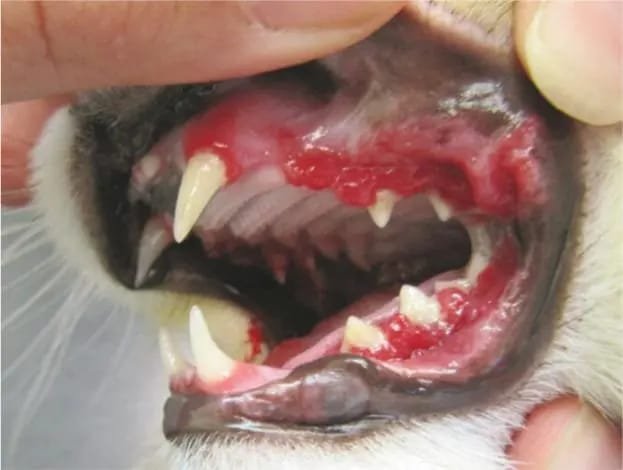
Common Types of Dental Disease in Cats
Cats can develop a variety of dental conditions that affect their teeth and gums. Some begin with mild inflammation, while others gradually progress to painful problems that interfere with eating and may eventually lead to tooth loss.
Gingivitis
Gingivitis is the earliest stage of dental disease and develops when plaque builds up along the gumline. The gums become red, swollen, and may bleed easily. With proper dental care and professional treatment, gingivitis can often be reversed before permanent damage occurs.
Periodontitis
If gingivitis is left untreated, it can progress to periodontitis. This condition damages the tissues and bone that support the teeth, causing pain, loose teeth, and, in severe cases, tooth loss. Unlike gingivitis, the damage caused by periodontitis cannot be completely reversed.
Tooth Resorption
Tooth resorption is a common and painful dental condition in cats in which the tooth gradually breaks down from the inside. Affected cats may have difficulty eating, drool excessively, or show signs of mouth pain. Many cases require extraction of the affected tooth to relieve discomfort.
Stomatitis
Stomatitis is a severe inflammation of the tissues inside the mouth. Cats with this condition often experience intense pain, bad breath, excessive drooling, and difficulty eating. The exact cause isn’t always known, but it is believed to involve an abnormal immune response to plaque bacteria.
Tooth Fractures
Broken or cracked teeth can expose the sensitive inner part of the tooth, leading to pain and infection. Tooth fractures commonly occur after chewing hard objects or as a result of trauma and should be evaluated by a veterinarian as soon as possible.
Causes of Dental Disease in Cats
Dental disease in cats usually develops gradually rather than appearing overnight. It often begins with plaque buildup on the teeth, but several other factors can contribute to the development and progression of dental problems. Understanding these causes can help cat owners take steps to protect their pet’s oral health.
Plaque and Tartar Buildup
Plaque is a soft, sticky film made up of bacteria, food particles, and saliva that forms on the teeth every day. If it isn’t removed through regular dental care, it hardens into tartar. The rough surface of tartar allows more bacteria to accumulate, leading to gum inflammation and increasing the risk of periodontal disease.
Poor Dental Care
A lack of regular oral hygiene is one of the most common reasons cats develop dental disease. Without routine tooth brushing or professional dental cleanings, plaque and tartar continue to build up, increasing the likelihood of gum disease, infection, and tooth damage.
Age
Dental disease becomes more common as cats grow older because plaque and tartar accumulate over time. Senior cats are also more likely to develop conditions such as periodontitis and tooth resorption, making regular dental examinations increasingly important.
Diet
Diet alone cannot prevent dental disease, but it can influence oral health. Some specially formulated dental diets and treats are designed to reduce plaque and tartar buildup, whereas sticky food particles left on the teeth may contribute to bacterial growth.
Genetics
Some cats have a higher genetic risk of developing dental problems than others. Breed characteristics, tooth alignment, and inherited factors can make certain cats more susceptible to plaque accumulation and gum disease.
Underlying Health Conditions
Certain medical conditions, including immune-related disorders and viral infections, can affect the tissues inside the mouth and increase the risk of dental disease. These conditions may worsen inflammation or make dental problems more difficult to manage without veterinary treatment.
Symptoms of Dental Disease in Cats
Dental disease in cats doesn’t always produce obvious signs in the early stages. Many cats continue their normal routine while the condition gradually worsens. As the disease progresses, changes in the mouth, eating habits, and behavior become easier to recognize. Identifying these symptoms early can help prevent more serious dental problems.
Bad Breath
Persistent bad breath is often one of the first noticeable signs of dental disease. It usually results from bacteria and plaque accumulating around the teeth and gums, creating a strong, unpleasant odor.
Red or Bleeding Gums
Healthy gums are firm and pink. Redness, swelling, tenderness, or bleeding around the teeth may indicate gum inflammation and should be evaluated before the condition progresses.
Changes in Eating Habits
Your cat may chew more slowly, prefer soft food, drop food from its mouth, or eat smaller meals than usual. Some cats approach their food bowl but stop eating because chewing has become uncomfortable.
Excessive Drooling
Increased drooling, especially if mixed with blood, can occur when the mouth becomes inflamed or a damaged tooth irritates the surrounding tissues.
Pawing at the Mouth
Repeatedly pawing at the mouth, rubbing the face against objects, or shaking the head may indicate irritation or a problem affecting the teeth or gums.
Weight Loss
A gradual decrease in food intake may lead to weight loss over time, particularly if dental problems remain untreated.
Behavioral Changes
Some cats become quieter, hide more often, avoid interaction, or seem less interested in play. These subtle changes may be the only indication that something is wrong.
When to See a Veterinarian
Dental disease in cats can progress silently, so it’s important to seek veterinary care before the condition becomes severe. If you notice any of the following situations, schedule a dental examination promptly.
Persistent Signs
If bad breath, drooling, or changes in eating habits continue for more than a day or two, your cat should be examined to identify the underlying cause.
Loss of Appetite
Refusing food or eating very little for more than 24 hours can quickly affect your cat’s health and requires immediate veterinary attention.
Severe Pain
If your cat cries while eating, refuses to let you touch its face, or shows obvious signs of discomfort, a dental examination should not be delayed.
Facial Swelling
Swelling around the face or jaw may indicate an abscess or another serious dental condition that needs prompt treatment.
Damage teeth
A damaged or loose tooth can be painful and may increase the risk of infection if left untreated.
Behavior Changes
If your normally friendly cat suddenly hides, becomes aggressive, or stops grooming, dental pain may be the underlying cause and should be investigated.
Treatment for Dental Disease in Cats
The treatment for dental disease in cats depends on the type and severity of the condition. After examining your cat’s mouth and identifying the underlying problem, your veterinarian will recommend the most appropriate treatment to relieve discomfort, control infection, and restore oral health.
Professional Dental Cleaning
Professional dental cleaning removes plaque and tartar from above and below the gumline. The procedure is performed under general anesthesia, allowing the teeth to be cleaned thoroughly and examined in detail.
Tooth Extraction
Teeth that are severely damaged, loose, infected, or affected by advanced tooth resorption may need to be extracted. Removing the affected tooth helps eliminate pain and prevent further complications.
Medications
Your veterinarian may prescribe pain relievers, antibiotics, or anti inflammatory medications to manage pain, treat infection, and reduce inflammation. Always use medications exactly as directed.
Home Dental Care
After treatment, your veterinarian may recommend regular tooth brushing, dental diets, or approved dental products to reduce plaque buildup and support long-term oral health.
Follow Up Care
Regular follow up examinations allow your veterinarian to monitor healing, assess your cat’s oral health, and recommend additional treatment if necessary. Consistent follow-up care plays an important role in preventing future dental problems.
Home care
Home care plays an important role in supporting your cat’s recovery and maintaining good oral health after treatment. Following your veterinarian’s recommendations can help reduce discomfort, prevent plaque buildup, and lower the risk of future dental problems.
Brush the Teeth
Brush your cat’s teeth regularly using a soft toothbrush and a toothpaste specifically made for cats. Daily brushing is the most effective way to reduce plaque and maintain healthy teeth and gums.
Feed as Recommended
If your cat has recently undergone dental treatment or a tooth extraction, your veterinarian may recommend soft food for a short period. Always follow the feeding instructions provided during recovery.
Watch for Changes
Monitor your cat for signs such as bad breath, drooling, difficulty eating, swelling, or changes in behavior. Contact your veterinarian if these signs persist or worsen.
Avoid Human Products
Never use human toothpaste or mouthwash on your cat. These products may contain ingredients that are harmful if swallowed. Always choose dental products specifically formulated for cats.
Prevention
Dental disease in cats is often preventable with consistent oral care and routine veterinary attention.
- Start Dental Care Early
- Brush the Teeth Regularly
- Schedule Routine Checkups
- Use Veterinary-Approved Dental Products
- Feed a Balanced Diet
- Check Your Cat’s Mouth Regularly
FAQ
Can dental disease in cats be cured?
Early-stage gingivitis may be reversible with proper treatment and dental care. More advanced conditions, such as periodontitis and tooth resorption, can be managed but usually cannot be completely reversed.
How common is dental disease in cats?
Dental disease is one of the most common health problems in cats, especially in adults over the age of three.
Can indoor cats get dental disease?
Yes. Indoor cats are just as likely to develop dental disease as outdoor cats because plaque and tartar can build up regardless of their lifestyle.
Is bad breath always a sign of dental disease?
Not always, but persistent bad breath is often linked to dental disease or another oral health problem and should be checked by a veterinarian.
Can dental disease make my cat stop eating?
Yes. Painful teeth and inflamed gums can make chewing uncomfortable, causing some cats to eat less or refuse food altogether.
Conclusion
Dental disease in cats is a common condition that often goes unnoticed until it begins to affect your cat’s comfort, appetite, and overall health. Because cats naturally hide signs of oral pain, regular dental care and routine veterinary checkups play an important role in detecting problems early.
With proper oral hygiene, professional dental care, and timely treatment, many dental problems can be managed before they become severe. Paying attention to changes in your cat’s mouth, eating habits, and behavior can help protect its teeth and gums while supporting long-term oral health and overall well-being.