
Cats are loving and affectionate companions, but even the friendliest cat may bite unexpectedly. One moment your cat is happily sitting beside you and the next it gently nips your hand or gives you a painful bite. This sudden behavior can leave many owners confused and wondering whether their cat is being aggressive or simply trying to communicate. If you’ve been asking why do cats bite, you’re not alone.
Biting is a natural part of feline behavior and can happen for many different reasons. Some bites are harmless and playful, while others may be warning signs of fear, pain, stress or overstimulation. Understanding the reason behind the bite is the first step toward preventing it and strengthening the bond with your cat. In this article, you’ll learn why cats bite, how to recognize the different types of biting behavior, what your cat is trying to communicate and the best ways to respond without damaging your relationship.
Understanding Why Do Cats Bite
If you’ve ever wondered why do cats bite, it’s important to know that biting is one of the ways cats communicate. Unlike humans, cats cannot explain how they feel with words so they rely on body language and behaviors to express fear, excitement, discomfort, frustration or affection. While biting may seem aggressive it is often your cat’s way of sending a message before the situation becomes more stressful. Not every bite has the same meaning.
A gentle nibble during play is very different from a defensive bite caused by fear or pain. Some cats bite because they have become overstimulated after too much petting, while others may bite to protect themselves, defend their territory or respond to a sudden threat. Paying attention to the situation, your cat’s posture and other body language signals can help you understand the reason behind the behavior. Learning why do cats bite allows you to respond appropriately instead of reacting with punishment.
9 Common Reasons Why Do Cats Bite
1. They Feel Threatened or Scared
One of the most common answers to why do cats bite is fear. When cats feel trapped or believe they are in danger. Biting becomes a form of self-defense. Unlike dogs, cats usually prefer to escape rather than fight. However, if they cannot get away, they may bite to protect themselves.
Situations that commonly trigger fear related biting include
- Being cornered
- Loud noises
- Unfamiliar visitors
- Rough handling
- Encounters with unfamiliar animals
A frightened cat may also flatten its ears, crouch low, widen its pupils, or flick its tail before biting. If your cat bites because it is scared then give it space and allow it to calm down on its own instead of forcing interaction.
2. Overstimulation During Petting
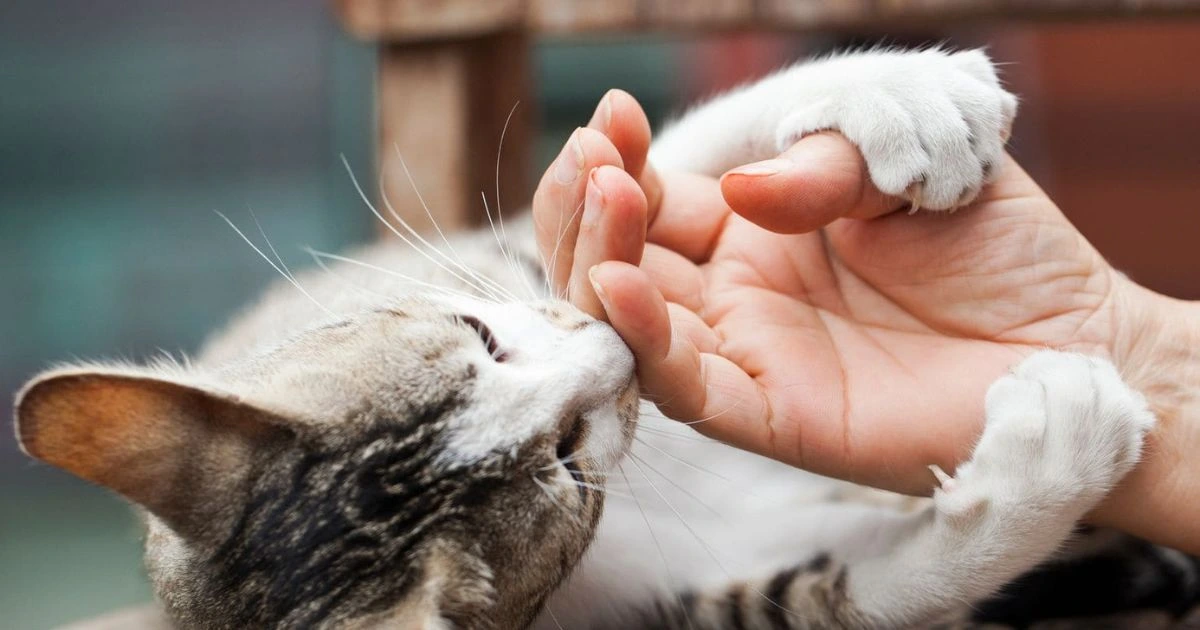
Many cat owners are surprised when a relaxed cat suddenly bites while being petted. One moment your cat seems to enjoy the attention, and the next it turns around and bites your hand. This behavior is known as petting-induced overstimulation.
Cats have different tolerance levels for physical contact. After a certain point petting can become uncomfortable and biting becomes their way of saying, “I’ve had enough.”
Watch for these warning signs
- Tail twitching
- Flattened ears
- Skin rippling along the back
- Turning the head toward your hand
- Sudden body tension
Stopping petting as soon as you notice these signals can prevent the bite from happening.
3. Play Aggression
Young cats and kittens often bite during play because they are practicing their natural hunting instincts. Chasing, pouncing, grabbing and biting are all normal hunting behaviors. If kittens are encouraged to play with human hands instead of toys they may continue this habit as adults. This is another reason why do cats bite, especially during exciting play sessions.
To reduce play biting
- Use feather wands and interactive toys.
- Avoid wrestling with your hands
- End play sessions before your cat becomes overstimulated
- Reward gentle behavior with praise or treats
Teaching your cat appropriate play habits early helps prevent biting later in life
4. Pain or Illness
Pain is one of the most overlooked reasons cats bite. Cats naturally hide signs of illness so biting may become one of the first noticeable symptoms when they are uncomfortable.
Medical conditions that can lead to biting include
- Arthritis
- Dental disease
- Injuries
- Urinary tract infections
- Joint pain
- Skin conditions
If your normally affectionate cat suddenly starts biting when touched, avoid assuming it is a behavioral problem. A veterinary examination can help determine whether pain is the underlying cause.
5. Protecting Territory or Resources
Cats are naturally territorial animals. They may bite to protect food, toys, sleeping areas or even their favorite people. This behavior is especially common in multi-cat households where pets compete for valuable resources.
Some situations include
- Another cat approaching the food bowl
- A pet entering a favorite sleeping spot
- Guarding kittens
- Defending personal space
Providing separate food bowls, litter boxes, resting areas, and toys for each cat can greatly reduce territorial conflicts and biting.
6. Love Bites and Affection
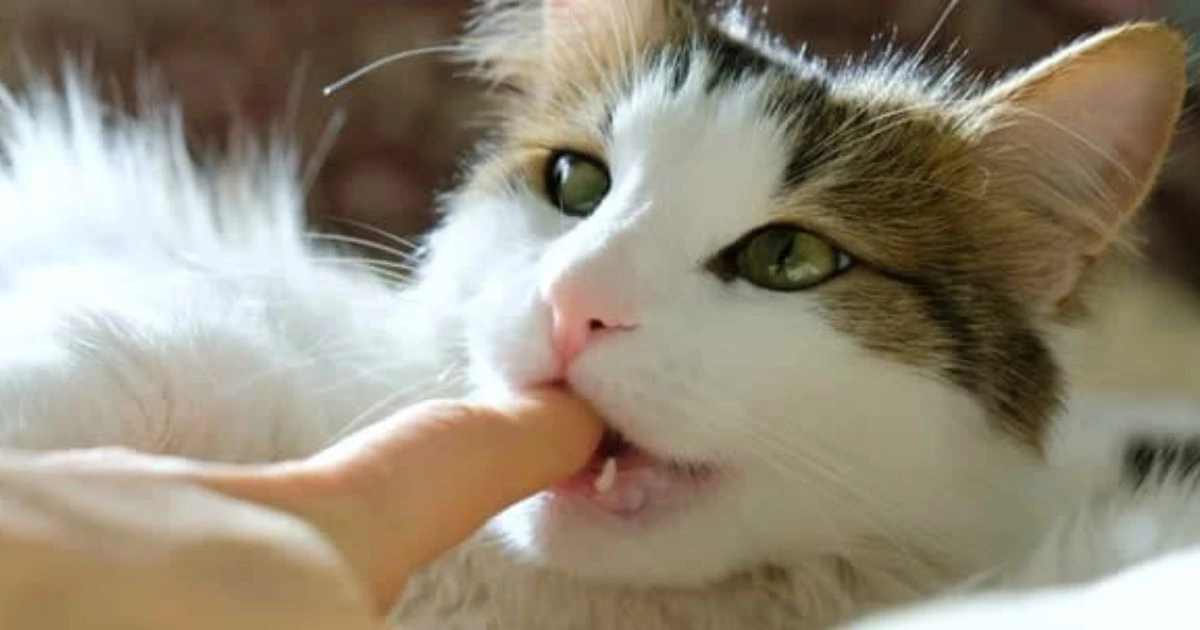
Not every bite is a sign of aggression. In fact, one answer to why do cats bite is surprisingly positive. Some cats give gentle love bites to show affection or strengthen their bond with their owners.
Love bites are usually soft and don’t break the skin. They often happen while your cat is grooming you, cuddling on your lap or enjoying a quiet petting session. This behavior is believed to come from kittenhood. When mother cats gently groom and interact with their kittens.
You can usually recognize a love bite because your cat remains relaxed. It may continue purring, kneading with its paws or rubbing its head against you immediately afterward.
If the gentle nibbling starts becoming painful, calmly stop interacting for a few moments. This teaches your cat that gentle affection is acceptable but harder biting ends the attention.
7. Stress and Anxiety
Stress is another common explanation for why do cats bite. Cats are creatures of habit and even small changes in their environment can make them anxious. Loud noises, unfamiliar guests, another pet or changes in their daily routine may cause stress related biting.
A stressed cat may also show other signs including
- Hiding more often
- Reduced appetite
- Excessive grooming
- Growling or hissing
- Tail flicking
- Avoiding interaction
Creating a calm, predictable environment helps many cats feel more secure. Providing hiding places, interactive toys and regular play sessions can also reduce stress and unwanted biting.
8. Redirected Aggression
Sometimes your cat isn’t actually upset with you. For example, your cat may see another cat outside the window or become excited by a bird it cannot reach. Because it cannot react to the real trigger it redirects that frustration toward the nearest person or pet.
This behavior is called redirected aggression and is another reason why do cats bite unexpectedly.
If this happens
- Stay calm
- Avoid touching your cat immediately
- Remove the trigger if possible
- Give your cat time to relax before approaching
Never try to comfort an agitated cat by picking it up, as this often increases the chance of another bite.
9. Frustration or Lack of Mental Stimulation
Cats need regular physical and mental stimulation to stay happy. Without enough opportunities to play, climb, scratch and explore some cats become bored and frustrated. This frustration may appear as biting during everyday interactions. Indoor cats are particularly at risk if they don’t have enough enrichment.
To reduce frustration
- Schedule daily interactive play sessions
- Rotate toys to keep them interesting
- Provide scratching posts and climbing trees
- Use puzzle feeders to encourage natural hunting behaviors
A mentally stimulated cat is less likely to develop unwanted biting habits
How to Stop Your Cat From Biting
Understanding the reason behind the behavior is the first step toward solving it.
If your cat bites
- Stay calm and avoid yelling
- Stop interacting immediately after the bite
- Stay calm and reward gentle behavior
- Use toys instead of your hands during play
- Respect your cat’s body language.
- Give your cat space when it appears uncomfortable.
Consistency is important. Cats learn best through positive reinforcement rather than punishment.
What You Should Never Do
Many owners unintentionally make biting worse by reacting incorrectly.
Avoid these common mistakes
- Never hit or punish your cat
- Don’t shout after a bite
- Don’t continue petting if your cat shows warning signs
- Never force interaction with a frightened cat
- Don’t encourage kittens to bite your hands during play
Punishment often increases fear and anxiety, making future biting more likely.
When Should You Visit a Veterinarian
Most biting is behavioral but sudden changes should never be ignored
Schedule a veterinary visit if your cat
- Suddenly begins biting without an obvious reason
- Bites whenever a certain body part is touched
- Shows signs of pain or illness
- Stop eating or drinking
- Becomes unusually aggressive
- Continues biting despite behavior training
Your veterinarian can rule out pain, neurological disorders, dental disease or other medical conditions that may be contributing to the problem.
Conclusion
Understanding why do cats bite is essential for building a healthy and trusting relationship with your feline companion. Biting is rarely random. Whether your cat is frightened, overstimulated, protecting its territory, expressing affection or reacting to pain every bite is a form of communication. Instead of punishing your cat, focus on identifying the trigger and responding with patience. Respecting your cat’s body language, providing regular mental stimulation and addressing any underlying medical issues can significantly reduce unwanted biting. If the behavior becomes sudden, severe, or is accompanied by other signs of illness, don’t hesitate to seek professional veterinary advice. By learning what your cat is trying to communicate, you’ll be better equipped to meet its needs and create a happier, safer environment for both of you.
FAQ’s
Why do cats bite their owners?
If you’ve been wondering why do cats bite their owners, the answer depends on the situation. Cats may bite because they feel frightened, overstimulated, playful, stressed, or uncomfortable. Paying attention to your cat’s body language can help identify the cause.
Why does my cat bite me while purring?
A cat may purr and bite at the same time because it has become overstimulated or is giving a gentle love bite. Observe whether the bite is soft and playful or painful and accompanied by tense body language.
Is biting a sign of affection?
Sometimes. Gentle love bites are a normal way some cats show affection. However, hard bites usually indicate discomfort, fear or frustration.
Can a sick cat bite more often?
Yes. Pain and illness can make even the friendliest cat defensive. If your cat suddenly starts biting without an obvious trigger, consult your veterinarian.
How can I stop my cat from biting?
Use positive reinforcement, provide regular play, respect your cat’s boundaries, and avoid using your hands as toys. Understanding the cause of the biting is the most effective way to prevent it.