
Blood in cat stool can be concerning to see, but it does not always mean your cat has a serious illness. A small amount of fresh blood may appear after straining or irritation, while repeated bleeding can be linked to digestive problems, parasites, infections, or other conditions that require veterinary attention.
The color and appearance of the stool can provide clues about where the bleeding may be coming from. It is also helpful to note your cat’s appetite, energy level, bowel movements, and behavior, as these details can help your veterinarian to determine the possible cause.
How Blood in Cat Stool May Appear
The color and texture of the stool can help indicate the type of bleeding. Fresh blood usually looks different from blood that has been digested before leaving the body.
Bright Red
Bright red streaks or spots usually come from the lower digestive tract, including the colon, rectum, or anus. Straining, constipation, intestinal inflammation, parasites, and local irritation can all contribute.
Black or Tarry
Black, sticky, or tar-like stool can mean the blood has been digested higher in the digestive tract. This finding is more concerning and should be assessed by a veterinarian promptly.
Blood With Diarrhea
Blood mixed with loose or watery stool can occur when the intestines or colon become inflamed. Possible triggers include parasites, infections, sudden diet changes, food reactions, and stress-related digestive problems.
What Causes Blood in Cat Stool?
There are several possible causes of blood in cat stool, ranging from temporary irritation to conditions that require medical treatment. The amount of blood and the symptoms occurring alongside it are important when determining how serious the problem may be.
Constipation
Hard, dry stools can irritate the tissues around the rectum as they pass. Straining can leave a small amount of bright red blood on the surface of the stool. Cats with constipation may also spend longer in the litter box or pass small, dry pieces of stool.
If constipation is causing blood in cat stool, the bleeding is often small and bright red. However, repeated constipation should still be addressed rather than ignored.
Colitis
Colitis is inflammation of the colon. Cats with colitis may visit the litter box frequently and pass small amounts of loose stool containing mucus and fresh blood. Dietary changes, infections, parasites, and stressful events can trigger colitis. This makes it a common consideration when blood in cat stool occurs alongside frequent bowel movements.
Intestinal Parasites
Parasites are another possible cause of blood in cat stool. Hookworms are particularly important because they feed on blood and can cause anemia, especially in kittens or cats with heavier infections. Other intestinal parasites can irritate the digestive tract and lead to diarrhea, mucus, weight loss, or changes in normal bowel movements.
Food-Related Problems
A sudden change in food or eating something unusual can upset a cat’s digestive system. Some cats may also react poorly to certain ingredients. Digestive irritation can result in diarrhea, mucus, and occasionally blood in cat stool. If the problem started shortly after a dietary change, tell your veterinarian what your cat has been eating.
Infections
Bacterial, viral, and parasitic infections can inflame the intestinal lining and interfere with normal digestion. Depending on the infection, blood in cat stool may occur with diarrhea, vomiting, mucus, reduced appetite, or low energy.
Swallowed Objects
Cats can swallow string, pieces of toys, bones, or other objects they should not eat. These materials may injure the digestive tract or cause a blockage. Blood in cat stool accompanied by vomiting, abdominal pain, loss of appetite, repeated straining, or difficulty passing stool requires veterinary attention. Do not try to make your cat vomit unless a veterinarian specifically tells you to.
Other Medical Problems
Less common causes include inflammatory bowel disease, anal gland problems, ulcers, toxins, and intestinal tumors. These conditions are not the most likely common for every episode of blood in cat stool, but persistent or unexplained bleeding should be investigated.
Changes You May Notice in Your Cat
Blood in the stool is easier to assess when you also notice how your cat is acting and whether anything else has changed. These details can help your veterinarian understand how serious the problem may be.
Eating Less
A cat with digestive discomfort may lose interest in food, eat smaller portions, or leave meals unfinished. A sudden refusal to eat is more concerning, particularly if it continues for an extended period.
Vomiting
Occasional vomiting can happen for many reasons, but repeated vomiting alongside bloody stool deserves veterinary attention. Vomiting can contribute to dehydration and may occur with intestinal inflammation, infection, or an obstruction.
Low Energy
A normally active cat may become quieter, spend more time hiding, or show less interest in playing and interacting. Marked weakness or difficulty getting up is more concerning, especially if there is ongoing bleeding.
Straining in the Litter Box
Your cat may spend longer than usual trying to pass stool or make several unsuccessful trips to the litter box. This can happen with constipation, irritation of the lower bowel, or other problems affecting normal bowel movements.
Weight Loss
If digestive problems continue, a cat may gradually lose weight because it is eating less or not absorbing nutrients properly. Noticeable weight loss without an obvious change in routine should be discussed with a veterinarian.
Signs of Abdominal Discomfort
Cats often hide pain rather than showing it openly. Hiding more than usual, restlessness, avoiding movement, crouching, or reacting when the abdomen is touched may suggest discomfort and should not be ignored.
When to See a Vet
Not every episode of blood in cat stool requires an emergency visit, but repeated bleeding should not be dismissed. Consider the amount of blood, its appearance, and whether your cat has other symptoms.
Ongoing Bleeding
If blood in cat stool appears more than once or continues over several bowel movements, arrange a veterinary examination. Repeated bleeding can indicate an underlying digestive problem that needs treatment.
Heavy Bleeding
A large amount of blood is more concerning than a small streak. Blood in cat stool accompanied by frequent bloody diarrhea, weakness, pale gums, or collapse requires prompt veterinary attention. Black, sticky, or tar-like stool also deserves urgent assessment because it can indicate digested blood.
Other Warning Signs
Seek urgent veterinary care if your cat becomes extremely weak, collapses, has pale gums, struggles to breathe, vomits repeatedly, or appears to be in significant pain. These symptoms can be more concerning than blood in cat stool alone because they may indicate substantial blood loss, dehydration, obstruction, or another serious condition.
Kittens
Blood in cat stool requires extra caution in kittens. Young cats can become dehydrated and weak quickly, particularly when bleeding occurs with diarrhea or vomiting. Instead of waiting several days to see whether the problem disappears, contact a veterinarian for advice.
How Is Blood in Cat Stool Diagnosed?
A veterinarian will examine your cat to determine what is causing the bleeding. The visit usually starts with a review of your cat’s medical history and a physical examination, including the abdomen and anal area.
Stool Testing
A fresh stool sample may be checked for intestinal parasites and other abnormalities. Bringing a sample to the appointment can make testing easier and may help identify infections or parasites that aren’t obvious from the outside.
Blood Tests
Blood work can show signs of infection, inflammation, dehydration, or anemia. It can be especially useful when bleeding has been ongoing or your cat is showing weakness or other signs of illness.
Imaging
If the initial examination doesn’t explain the bleeding, your veterinarian may recommend X-rays or an ultrasound. These tests can help look for foreign objects, intestinal abnormalities, thickening, or other problems that cannot be seen from a stool sample.
Further Testing
Persistent or unexplained bleeding may require additional investigation, such as endoscopy or a biopsy. The tests chosen will depend on your cat’s symptoms, examination findings, and how long the problem has been occurring.
Treatment Depends on the Cause
There isn’t one treatment that works for every cat with blood in the stool. Your veterinarian will first consider what is causing the problem, how much bleeding is present, and whether your cat has other symptoms.
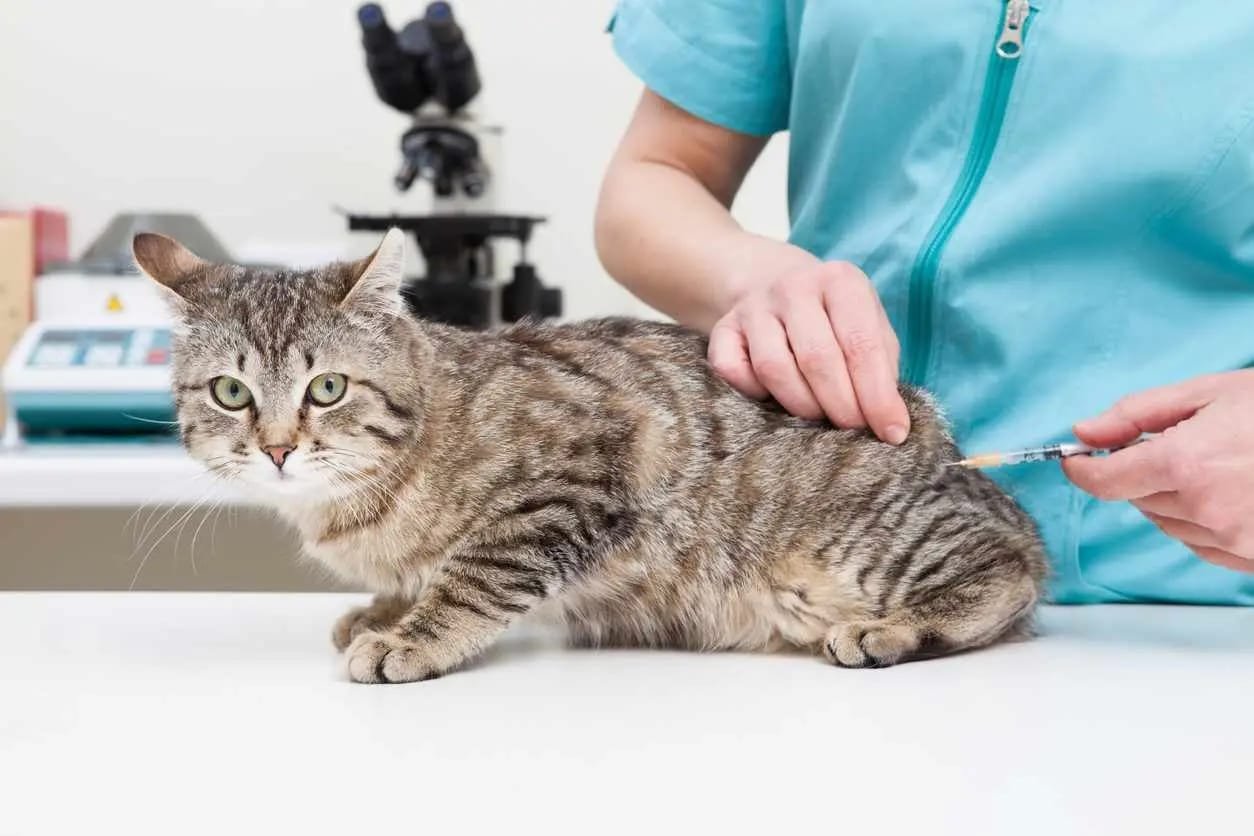
Parasite Treatment
If intestinal parasites are responsible, the veterinarian may prescribe an appropriate deworming medication. The specific treatment depends on the parasite involved, so using a random over-the-counter dewormer is not a good idea.
Dietary Support
When a sudden food change or digestive sensitivity is involved, your veterinarian may recommend a temporary or longer-term change in diet. The goal is to reduce irritation while providing enough nutrition for your cat to recover.
Managing Dehydration
Diarrhea and vomiting can cause significant fluid loss. Cats that are dehydrated may need fluids and closer monitoring, particularly when they are not drinking normally or have become weak.
Treating Infection
If inflammation or an infection is responsible, treatment will depend on the specific condition. Your veterinarian may prescribe medication or recommend other supportive measures rather than simply treating the blood itself.
Surgery
A swallowed foreign object, intestinal blockage, severe injury, or certain growths may require a procedure or surgery. These situations cannot be safely managed with home remedies alone.
Follow up
Once treatment begins, keep an eye on your cat’s appetite, energy, bowel movements, and overall behavior. If the bleeding continues, becomes heavier, or new symptoms appear, contact your veterinarian rather than changing the treatment yourself.
Can Blood in Cat Stool Be Prevented?
Not every case can be prevented because some causes are related to illness or conditions outside your control. Still, a few everyday habits can reduce the risk of digestive problems and help you notice trouble early.
Prevent Parasites
Keep your cat’s parasite prevention up to date according to your veterinarian’s advice. This is particularly important for cats that spend time outdoors or may come into contact with contaminated environments.
Change Food Slowly
Avoid switching your cat’s food suddenly. If a new diet is needed, introduce it gradually unless your veterinarian gives you different instructions.
Keep Harmful Items Away
String, small toys, bones, chemicals, medications, and other unsafe objects can cause digestive injuries or blockages if swallowed. Keep these items somewhere your cat cannot reach them.
Maintain Good Nutrition
Feed a complete and balanced diet appropriate for your cat’s age and needs. Avoid giving large amounts of table scraps or unfamiliar foods that could upset the digestive system.
Watch the Litter Box
Regularly checking the litter box can help you notice changes in stool consistency, frequency, color, or the presence of blood. Early attention can make it easier to address a developing problem.
What to Do at Home
While waiting for veterinary advice, keep things simple and avoid trying to treat the bleeding yourself.
- Keep fresh water available and make sure your cat can reach it easily.
- Continue feeding the usual diet unless your veterinarian recommends a change.
- Check the litter box so you can monitor the amount and appearance of any blood.
- Take a clear photo of an unusual stool if you need to show your veterinarian what you observed.
- If possible, bring a fresh stool sample to the appointment.
- Don’t give human medicines, leftover antibiotics, or home remedies unless your veterinarian specifically recommends them.
FAQ
Is a Little Blood in Cat Stool Normal?
A small streak of fresh blood can occur with minor irritation or straining, but it shouldn’t be considered normal. If it happens again or your cat develops other symptoms, contact your veterinarian.
Why Is My Cat Pooping Blood but Acting Normal?
Cats can sometimes behave normally even when they have a digestive problem. A small amount of fresh blood may be related to constipation, colitis, parasites, or irritation. Monitor the stool closely and seek veterinary advice if it continues.
Is Black Cat Stool an Emergency?
Black, sticky, or tar-like stool can indicate digested blood from higher in the digestive tract. This can be more serious than a small streak of fresh blood and warrants prompt veterinary assessment.
Can Stress Cause Blood in Cat Stool?
Stress can contribute to digestive upset and inflammation of the colon in some cats. Events such as moving, boarding, or major changes at home may trigger bowel problems in sensitive cats.
Should I Take a Stool Sample to the Vet?
Yes. A fresh stool sample can help the veterinarian test for parasites and other abnormalities. A clear photo can also be useful if collecting a sample isn’t practical.
Conclusion
Blood in cat stool should not automatically be treated as an emergency, but it also shouldn’t be dismissed. A single small streak may have a simple explanation, while ongoing or unusual bleeding deserves closer attention. The most useful thing you can do is observe what is happening and notice whether your cat remains comfortable, active, and interested in food. When something seems different from your cat’s normal routine, veterinary advice can help determine whether further care is needed.