
If you’ve ever been jolted awake by your cat’s loud meows in the middle of the night, you’re definitely not alone. Many cat owners wonder why their furry companion suddenly becomes so vocal after the lights go out. It can be frustrating, confusing, and sometimes even worrying. Is your cat hungry? Lonely? Sick? Or is it simply a quirky habit? The truth is, there isn’t just one answer. A cat meow at night can happen for several different reasons, ranging from completely normal feline behavior to health concerns that deserve attention. Understanding what’s behind those midnight conversations can help you respond the right way instead of simply guessing. Think of your cat like a tiny roommate who speaks a different language. Every nighttime meow is a message. It just takes a little detective work to understand what they’re trying to say. In this guide, you’ll discover the nine most common reasons cats meow at night, practical ways to reduce the behavior, and when it’s time to call your veterinarian.
Understanding Why Cat Meow at night
Unlike dogs, cats rarely meow at other cats once they become adults. Surprisingly, most adult cats meow mainly to communicate with humans. Every sound they make has a purpose. Some meows are soft requests for food, while others are loud cries for attention or help. Your cat may also use different tones depending on its mood, needs, or surroundings. Over time, many cats learn which types of meows get the fastest response from their owners. A cat meow at night often feels louder because the house is quiet and there are fewer distractions. During nighttime, your cat may also expect your attention since you’re nearby, even if you’re asleep. In some cases, your cat is simply following a routine that has developed over time, especially if it has previously received attention or food after meowing. Learning the meaning behind different meows is the first step toward solving the problem.
Why Does a Cat Meow at Night More Often?
Cats are naturally crepuscular, meaning they’re most active during dawn and dusk. Their wild ancestors hunted during these hours because prey animals were easier to catch. Even though modern house cats no longer need to hunt for survival, they still retain many of these natural instincts. That’s why your cat may suddenly sprint around the house, chase imaginary prey, or begin vocalizing when you’re trying to sleep. Cat meow at night, it could simply be following thousands of years of natural instinct. However, nighttime meowing can also be influenced by boredom, excess energy, hunger, stress, or even certain health conditions. Looking at your cat’s daily routine, activity level, and overall health can help you determine whether the behavior is normal or if it requires further attention.
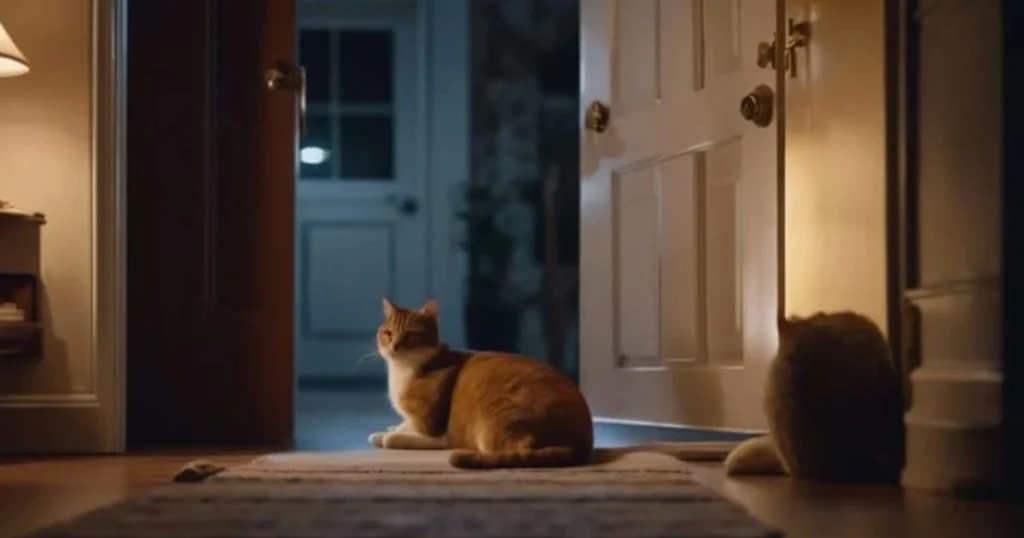
Reason no.1: Hunger or Thirst
One of the most common explanations for a cat meow at night is simply that they’re hungry.
Cats often learn routines quickly. If they usually receive breakfast immediately after you wake up, they may start waking you earlier every morning by meowing.
Some cats also become thirsty during the night, especially if they eat mostly dry food.
Signs Your Cat Is Hungry
- Waiting near the food bowl
- Following you around the kitchen
- Meowing repeatedly until fed
- Eating quickly once food is served
What You Can Do
- Feed a small meal before bedtime.
- Provide fresh water overnight.
- Consider an automatic feeder for early mornings.
Reason no.2: Seeking Attention
Sometimes, your cat simply misses you.
If you’ve been busy during the day, your cat may decide nighttime is the perfect opportunity to reconnect. Even negative attention like telling your cat to be quiet can reinforce the behavior.
Cats are incredibly smart. If meowing wakes you up, they’ve learned that it works.
Solutions
- Spend 20–30 minutes playing before bed.
- Offer gentle affection before sleeping.
- Avoid rewarding nighttime meowing with immediate attention.
Consistency is key.
Reason no.3: Boredom and Lack of Exercise
Indoor cats have fewer opportunities to hunt, climb, and explore compared to outdoor cats.
Without enough stimulation during the day, they may store up energy until nighttime.
A cat meow at night often accompanies running through hallways, climbing furniture, or batting toys across the floor.
Ways to Reduce Boredom
- Interactive toys
- Puzzle feeders
- Cat trees
- Window perches
- Laser pointer sessions before bedtime
A tired cat usually sleeps better.
Reason no.4: Natural Hunting Instincts
Even the most pampered house cat still has the instincts of a hunter.
When darkness falls, your cat’s senses become even sharper. Shadows move, insects appear, and tiny sounds become exciting.
Some cats meow before or after “capturing” a toy because they’re expressing excitement.
Help Satisfy Hunting Needs
- Hide treats around the house.
- Use feather wand toys.
- Offer puzzle toys that mimic hunting.
- Rotate toys weekly to maintain interest.
Reason no.5: Aging and Cognitive Changes
Senior cats sometimes develop cognitive dysfunction, similar to memory loss in elderly humans.
Older cats may become confused after dark and begin wandering while meowing loudly.
Common Symptoms
- Disorientation
- Pacing
- Sleeping during the day
- Nighttime vocalization
- Forgetting routines
If an older cat meow at night suddenly begins without any previous history, schedule a veterinary checkup.
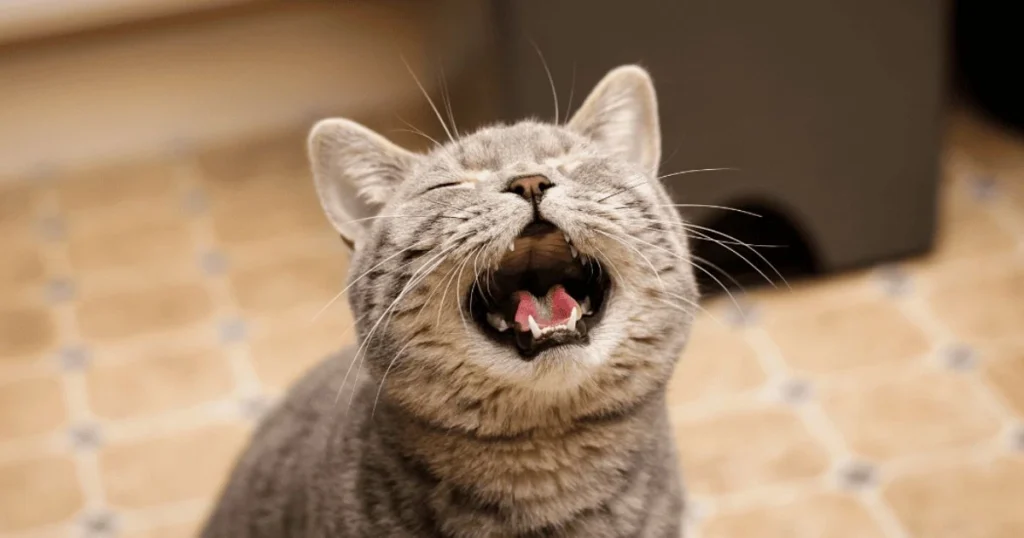
Reason no.6: Stress or Anxiety
Cats love routine. Even small changes can create anxiety.
Examples include
- Moving to a new home
- A new baby
- Another pet
- Visitors staying over
- Furniture rearrangement
- Construction noises
A stressed cat may cry during the night because it feels uncertain or unsafe.
Helping an Anxious Cat
- Keep feeding times consistent.
- Provide hiding spots.
- Maintain familiar routines.
- Use calming toys or scratching posts.
- Create quiet sleeping areas.
Reason no.7: Medical Problems
Not every cat meow at night is behavioral. Sometimes, your cat is trying to tell you something is wrong.
Health conditions that may cause nighttime vocalization include:
Hyperthyroidism
An overactive thyroid increases energy levels and restlessness.
High Blood Pressure
This condition can make cats feel uncomfortable, especially older ones.
Arthritis
Pain may worsen after resting, causing nighttime crying.
Kidney Disease
Increased thirst and discomfort often disturb sleep.
Dental Pain
Even mild mouth pain may become more noticeable during quiet nighttime hours.
Warning Signs
- Loss of appetite
- Weight changes
- Vomiting
- Excessive drinking
- Difficulty walking
- Sudden personality changes
Never ignore persistent nighttime meowing accompanied by these symptoms.
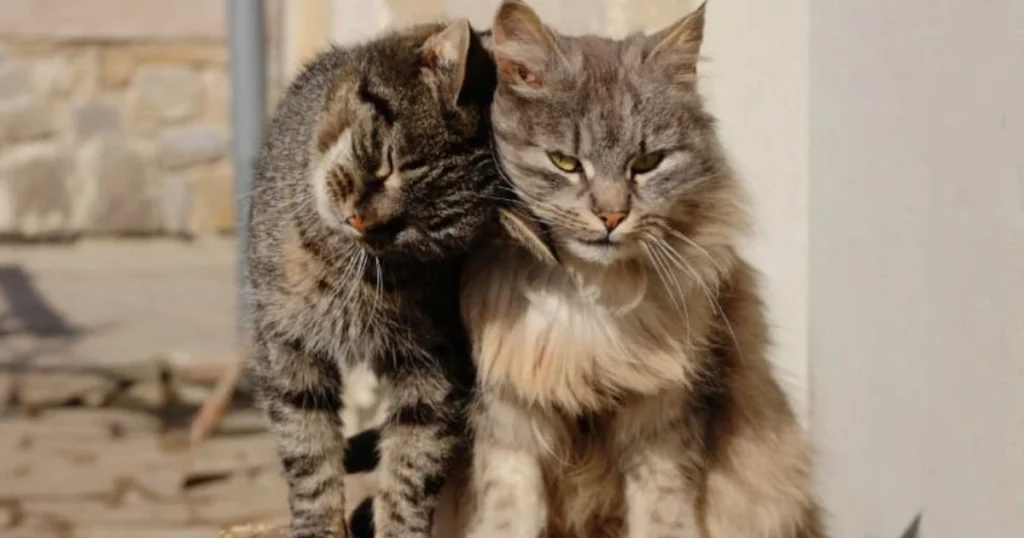
Reason no.8: Mating Behavior
- Cats that haven’t been spayed or neutered often become extremely vocal.
- Female cats in heat may produce loud, repetitive cries designed to attract males.
- Male cats may also howl if they detect a nearby female.
- This behavior can continue for several days and often happens at night.
- Spaying or neutering usually reduces this type of vocalization significantly.
Changes in Their Environment
Cats notice everything. A new scent, an unfamiliar sound, or even wildlife outside the window can trigger nighttime meowing.
Possible causes include:
- Neighborhood cats
- Birds
- Raccoons
- Outdoor lights
- Storms
- New household smells
Closing curtains or limiting outside distractions may help.
How to Stop Your Cat from Meowing at Night
While every cat is different, these strategies work for many households.
Create a Bedtime Routine
Cats appreciate predictable schedules. Feed, play, and relax with your cat at the same time each evening.
Increase Daytime Activity
Encourage climbing, chasing, and exploring during the day. The more energy your cat burns, the more likely it is to sleep through the night.
Provide Mental Stimulation
Puzzle feeders, treat balls, and rotating toys keep curious minds busy.
Don’t Accidentally Reward Meowing
If your cat learns that meowing earns food or attention every night, the behavior usually continues. Reward quiet behavior instead.
Offer Comfortable Sleeping Areas
Some cats simply want a cozy place near their favorite person. Soft blankets, heated beds, or elevated resting spots can encourage better sleep.
Visit Your Veterinarian
If nothing works or the meowing begins suddenly, have your cat examined to rule out medical conditions.
When Should You Visit the Vet?
Occasional nighttime meowing is perfectly normal.
However, seek veterinary advice if your cat:
- Suddenly starts meowing every night
- Shows signs of pain
- Stops eating
- Loses weight
- Drinks excessive water
- Appears confused
- Has difficulty walking
- Develops other unusual behaviors
Early diagnosis often makes treatment much easier.
Conclusion
A cat meow at night can be puzzling, but it’s almost always your cat’s way of communicating. Whether it’s hunger, boredom, loneliness, natural instincts, aging, stress, or an underlying medical issue, every nighttime meow has a reason behind it. Instead of becoming frustrated, take time to observe your cat’s habits, environment, and daily routine. Small adjustments like more playtime, a bedtime meal, or a consistent schedule can make a remarkable difference. If the behavior appears suddenly or is accompanied by signs of illness, don’t hesitate to consult your veterinarian. Understanding your cat’s nighttime language will not only help you sleep better but also strengthen the bond you share with your feline companion.
FAQ’s
1. Why does my cat meow at night even though it has food?
Your cat may be seeking attention, feeling bored, responding to natural hunting instincts, experiencing stress, or developing a medical condition rather than simply being hungry.
2. Is it normal for a cat meow at night?
Yes. Occasional nighttime meowing is normal because cats are naturally more active during dawn and dusk. However, persistent or sudden excessive meowing should be investigated.
3. Should I ignore my cat when it meows at night?
If you’ve ruled out hunger, illness, and discomfort, avoiding immediate attention can help prevent reinforcing the behavior. However, never ignore persistent meowing if your cat seems sick or distressed.
4. Can older cats meow more at night?
Yes. Senior cats may develop cognitive dysfunction, reduced vision, hearing loss, or age-related health problems that cause confusion and increased nighttime vocalization.
5. How can I stop my cat meow at night naturally?
Increase daytime play, feed a small bedtime meal, establish a consistent evening routine, provide enrichment with toys and puzzle feeders, and ensure your cat has a comfortable, quiet place to sleep. If the problem continues, consult your veterinarian.