
How often should you feed a cat? This is one of the first questions almost every cat owner asks, especially when they bring a new cat home for the first time. Getting the feeding frequency right doesn’t just help your cat maintain a healthy weight, it also has a direct impact on their digestion, energy levels, and overall behavior. Many owners unknowingly follow an incorrect feeding schedule, which can leave their cat prone to obesity, digestive issues, or nutritional deficiencies.
Feeding isn’t just a daily chore, it’s directly connected to your cat’s long-term health, which is why every owner should take the time to understand this topic properly. Cats of different ages, breeds, and activity levels all have different needs, and no single feeding formula works for every cat. In this article, we’ll walk you through science-based, vet-recommended guidance on how often and how much your cat should eat based on their age, size, and lifestyle, so you can make an informed and confident decision.
Why Feeding Frequency Matters for Your Cat
Cats are obligate carnivores, meaning their bodies function most efficiently on meat-based protein, and because of this, their digestive system is quite sensitive. When feeding times are irregular, a cat’s metabolism gets disrupted, causing blood sugar levels to fluctuate and leading to problems like excessive hunger or lethargy. On top of that, a consistent feeding schedule helps regulate a cat’s digestive enzymes properly, allowing food to be absorbed better and nutrients to be used more efficiently. Over the long term, a stable feeding routine also lowers the risk of common cat health problems such as obesity, diabetes, and urinary tract issues.
How Often Should You Feed a Cat Based on Age
The biggest factor in feeding frequency is a cat’s age, since nutritional and energy needs change significantly at each life stage.
Kittens (0 to 12 months): Kittens grow extremely fast, so they need more frequent meals. In their early months, they can be fed up to 4 times a day, gradually reducing to around 3 times a day after 6 months.
Adult cats (1 to 7 years): Adult cats are generally fed twice a day, once in the morning and once in the evening. This schedule provides enough energy while keeping their digestive system stable.
Senior cats (7 years and older): A senior cat’s metabolism slows down, so it’s better to feed them 2 to 3 smaller meals throughout the day to avoid overloading their digestive system.
How Often Should You Feed a Cat Daily
Most veterinarians recommend at least 2 meals a day, but for some cats, 3 to 4 smaller meals can be even more beneficial, especially if the cat has diabetes, hairballs, or a sensitive digestive system. The smaller and more frequent the meals, the more stable a cat’s blood sugar stays, and the lower the chance of overeating. In multi-cat households, scheduled meals are also more practical since they make it easier to track exactly how much each cat is eating.
Your Cat’s Natural Eating Instincts
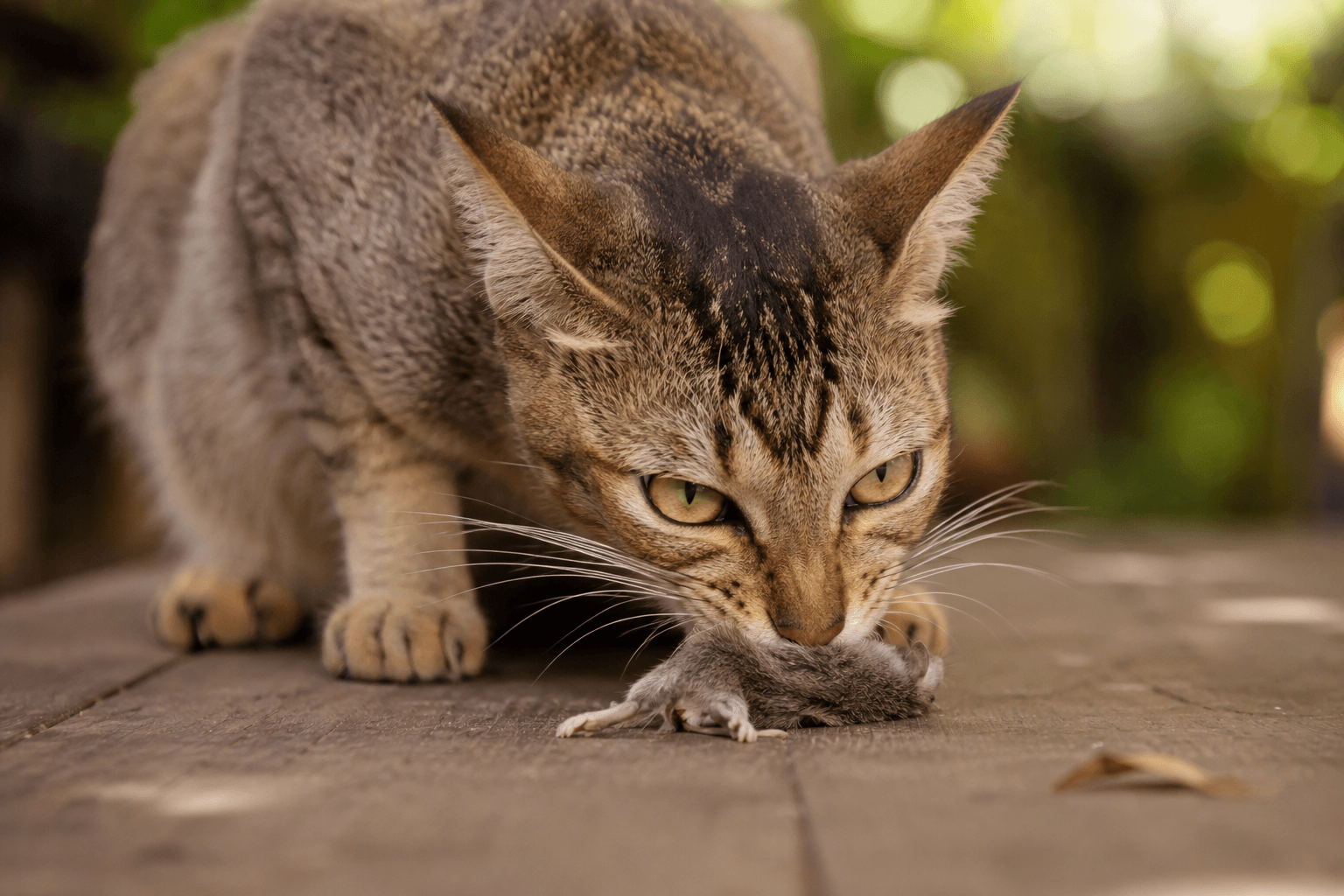
In the wild, cats hunt multiple small prey throughout the day, which is why their natural instinct leans toward small, frequent meals rather than one or two large ones. This is also why many cats naturally prefer to graze if given the chance. Understanding this instinctive behavior helps owners design a feeding schedule that’s closer to what comes naturally to their cat, such as using puzzle feeders or splitting food into several small meals.
How Portion Size Affects Feeding Frequency
Feeding frequency and portion size are closely linked. If you’re only feeding your cat twice a day, each portion will need to be larger, whereas feeding 4 times a day means smaller portions each time. What matters most is that the total daily calorie intake stays consistent, no matter how many meals you split it into. On average, an adult cat needs roughly 200 to 300 calories per day, though the exact amount depends on their weight, activity level, and body condition. For overweight cats, carefully managing both portion size and meal frequency is essential to ensure weight loss happens gradually and safely.
Wet Food vs Dry Food Feeding Schedules
The type of food you feed also affects how often your cat should eat.
- Wet food Has a higher moisture content, which is great for hydration, and is generally given twice a day since it spoils quickly once left out.
- Dry food Is more shelf-stable, so it can work with either free-feeding or scheduled feeding, but portion control is important since dry food is more calorie-dense.
- Combination approach Many vets recommend a balanced approach where wet food is given during scheduled meals and dry food is left out in controlled, measured portions.
- How often should you feed a cat? is necessary information which is important for every cat owner.
Free Feeding vs Scheduled Feeding for Cats
This is a common debate, and both approaches come with their own benefits and drawbacks. With free-feeding, food is available to the cat all day so they can eat whenever they like, which works particularly well for cats that are natural grazers and can regulate their own intake. The downside is that it becomes harder for owners to monitor exactly how much the cat is eating, which increases the risk of overeating and obesity.
Scheduled feeding involves giving the cat predetermined portions at fixed times during the day. This approach is more effective for weight management since owners can control exact intake. It also means that if a cat skips a meal, it gets noticed quickly, which can be an early warning sign of a health issue. Most veterinarians recommend scheduled feeding for overweight cats or multi-cat households. Health of cat depends on healthy feeding otherwise it ma cause several health problems.
Special Feeding Considerations for Cats
Some cats need a different feeding approach depending on their specific situation.
- Pregnant and nursing cats Need more calories and more frequent meals to adequately support their kittens.
- Overweight cats Benefit from portion-controlled, frequent smaller meals for effective weight management.
- Multi-cat households Need separate feeding stations and scheduled times so each cat’s intake can be fairly monitored.
- Cats with medical conditions Such as diabetes or kidney disease, should follow a vet-prescribed feeding schedule specific to their condition. All these condition are necessary to know How often should you feed a cat?
How to Tell If Your Cat Is Being Fed Correctly
Your cat’s body condition and behavior can tell you a lot about whether their current feeding schedule is working. A cat at a healthy weight should have ribs that are lightly felt but not visible, and their waistline should appear slightly tapered when viewed from above. If your cat is constantly meowing for food, waiting by the food bowl, or experiencing sudden weight gain or loss, it may be a sign that the feeding schedule needs adjusting. Regular vet checkups can also confirm whether your cat’s weight and nutritional status fall within a healthy range.
Building a Daily Feeding Routine
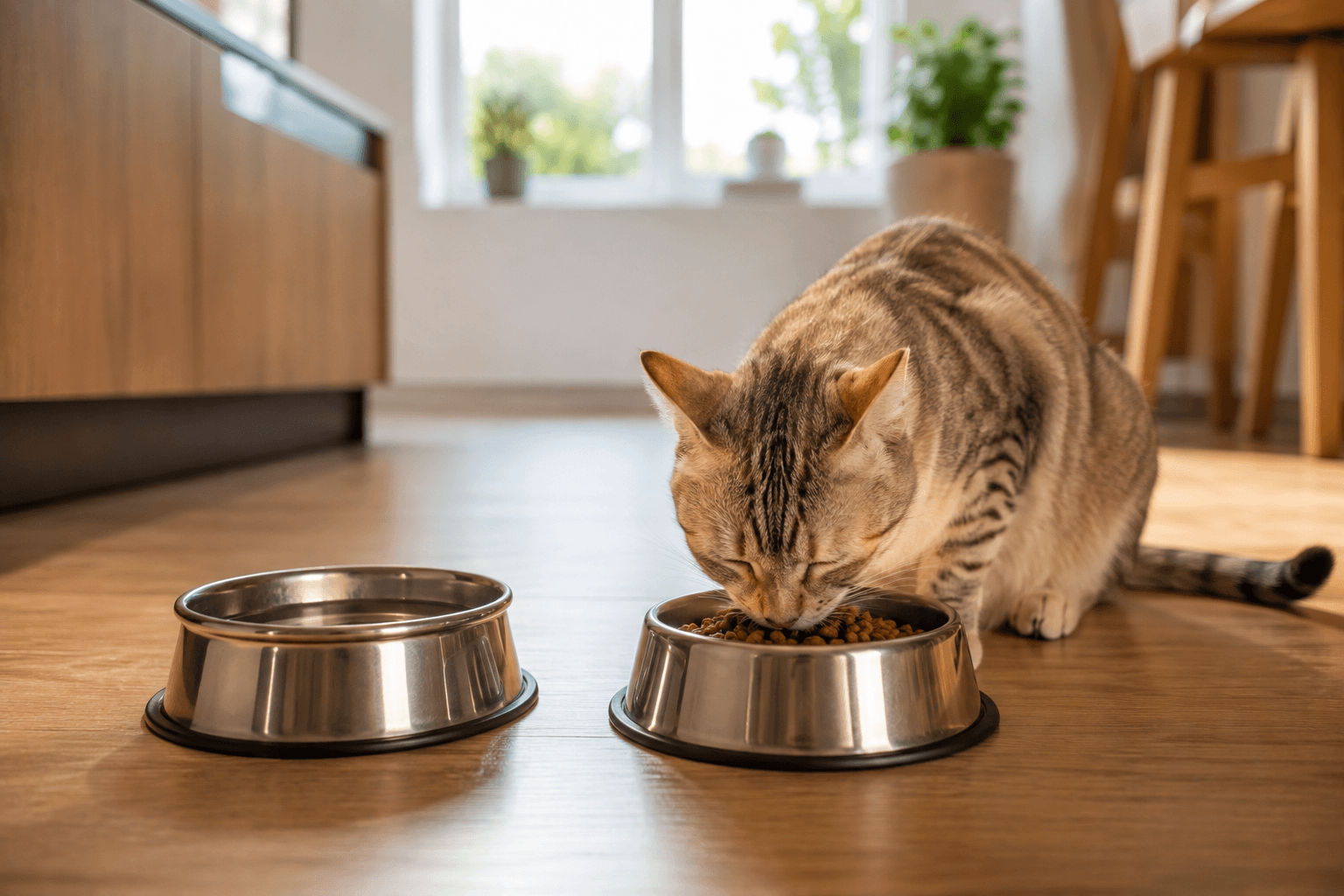
Consistency is the single most important factor in building an effective feeding routine. Feeding at the same time every day, such as 8 AM and 7 PM, helps regulate your cat’s internal clock and gives them a sense of predictability. Portion sizes should be kept consistent using a measuring cup or kitchen scale to avoid accidental overfeeding. Fresh water should always be available, especially if your cat mainly eats dry food. It also helps to keep the feeding area calm and quiet so your cat can eat without stress, and if you have multiple cats, feeding them in separate bowls prevents competition or food-guarding behavior.
Common Mistakes That Disrupt Feeding Schedules
Many owners unintentionally make mistakes that negatively affect their cat’s feeding routine. Inconsistent meal timings confuse a cat’s digestive system, while too many treats can throw off their total daily calorie intake, treats should ideally make up no more than 10% of daily calories. Some owners give in to their cat’s begging behavior and offer extra food, which over time contributes to obesity. Ignoring fresh water is another common mistake that increases the risk of dehydration and urinary problems.
Conclusion
There’s no single answer to how often you should feed a cat? it depends on their age, health condition, activity level, and individual needs. Kittens need frequent meals, adult cats can generally be fed twice a day, and senior cats do better with smaller, more frequent meals. A consistent, well-planned feeding schedule isn’t just important for your cat’s physical health, it also supports their mental wellbeing. By controlling portion sizes, choosing the right type of food, and sticking to a predictable routine, you can help your cat live a long, healthy, and happy life.
FAQs
1. How often should you feed a cat during the day?
Most adult cats do best with 2 meals a day, while kittens need 3 to 4 meals and senior cats do better with 2 to 3 smaller meals.
2. Is it better to free-feed my cat or follow a schedule?
Scheduled feeding is generally better since it makes portion control easier and lowers the risk of obesity, though some naturally grazing cats can do fine with free-feeding too.
3. How much should I feed my cat each meal?
This depends on your cat’s total daily calorie needs and how many meals you’re splitting it into. On average, an adult cat needs roughly 200 to 300 calories per day.
4. Should kittens be fed more often than adult cats?
Yes, because of their rapid growth, kittens need more frequent meals than adult cats, especially during their first 6 months.
5. What happens if I feed my cat irregularly?
Irregular feeding can disrupt a cat’s digestive system, cause blood sugar fluctuations, and lead to behavioral issues like excessive begging.
6. Do senior cats need a different feeding schedule?
Yes, since a senior cat’s metabolism slows down, smaller and more frequent meals are usually easier on their digestive system.