
Cats are known for communicating through meows, purrs and body language, but a growl often catches owners off guard. Hearing your cat growl can be worrying, especially if it has never shown this behavior before. You may wonder whether your cat is angry, scared, or trying to tell you something more serious. The truth is that growling is a normal form of feline communication. Instead of being a sign of bad behavior, it is usually a warning that your cat feels uncomfortable, threatened, or stressed. If you get to know why do cats growl can help you respond calmly, prevent aggressive situations, and build a stronger bond with your pet. In this article, you’ll learn the most common reasons cats growl, how to interpret their body language, and what you should do if your cat suddenly starts growling.
Understanding Why Do Cats Growl
Cats growl to communicate discomfort, fear, pain or the need for personal space. Unlike a friendly meow, a growl is a warning that tells people or other animals to back away. In many cases, growling is a defensive behavior rather than an aggressive one. It is your cat’s way of expressing discomfort, fear, stress and the need for personal space before the situation escalates. A cat may growl because it feels threatened by another animal, is protecting its territory, is experiencing pain, or has become overstimulated during play or petting. Some cats also growl when they are anxious, frustrated, or trying to guard valuable resources such as food, toys, or even their kittens.
Paying attention to the situation and your cat’s body language can help you identify the cause and respond appropriately. By understanding why do cats growl, you can respond calmly, reduce your cat’s stress, and create a safer, more trusting relationship with your feline companion.
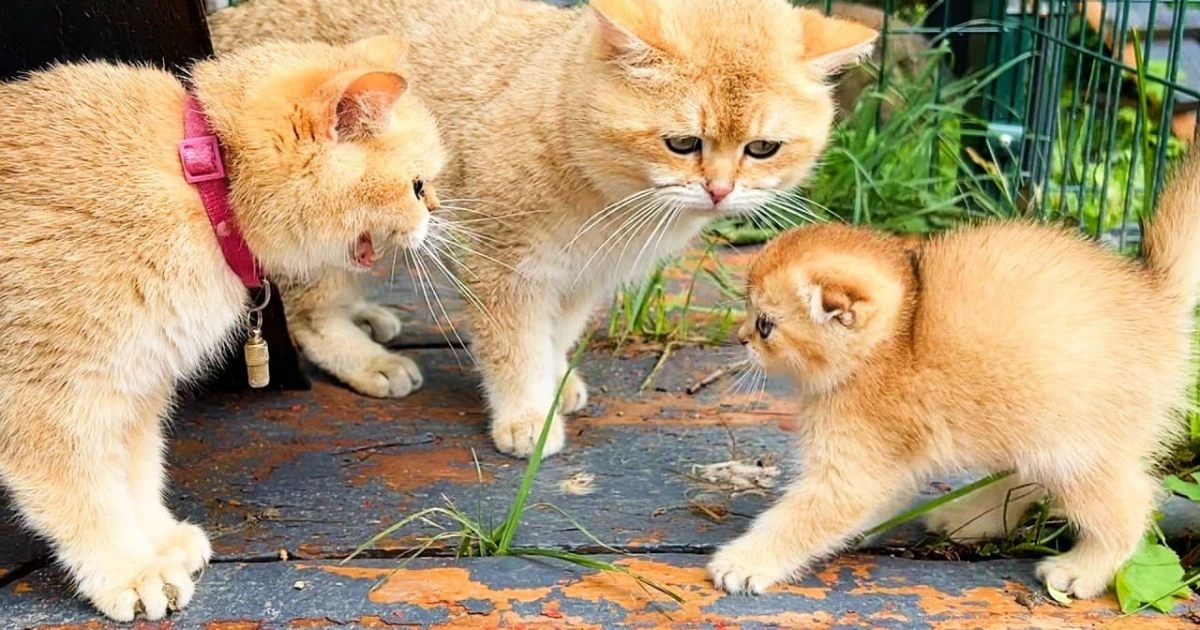
What Does It Mean When You Ask “Why Do Cats Growl?”
If you’ve ever asked yourself why do cats growl, you’re not alone. Growling is one of the most misunderstood sounds a cat can make, and many owners immediately assume it means their pet is angry or aggressive. In reality, a growl is usually a form of communication rather than a sign of bad behavior. Cats use this low, rumbling sound to express discomfort. It acts as a warning letting people, other pets, or unfamiliar animals know that they are feeling threatened or uneasy.
Unlike meowing, which cats often use to communicate with humans, growling is a defensive vocalization meant to prevent conflict before it begins. A cat that growls is often trying to avoid a fight, not start one. Paying attention to the situation along with your cat’s body language can help you identify the reason behind the behavior. By understanding why do cats growl, you’ll be better prepared to respond calmly, reduce your cat’s stress, and also you can build a strong bond between you and your cat.
1. Your Cat Feels Threatened
This is the first reason for understanding why do cats growl. One of the most common reasons cats growl is because they feel threatened.
Cats naturally prefer to avoid conflict. When they believe another person, animal, or unfamiliar object could be dangerous, they often growl as a warning before choosing to fight or flee. This behavior is their way of saying, “Please stay away.”
Common situations that may trigger a threat response include
- A stranger entering your home
- Another cat approaching through a window
- A dog invading your cat’s space
- Loud or unfamiliar household noises
- Sudden movements toward your cat
If your cat growls in these situations, avoid forcing interaction. Give it enough space to observe the environment and calm down at its own pace. Most cats stop growling once they no longer feel threatened.
2. Fear Is a Natural Survival Instinct
Fear is another major reason behind cat growling.
Although domestic cats live comfortably with humans, they still rely on instincts that helped their wild ancestors survive. When frightened, a growl serves as an early warning signal that encourages potential threats to keep their distance.
Your cat may become fearful because of
- Fireworks
- Thunderstorms
- Vacuum cleaners
- Construction noise
- Veterinary visits
- Unfamiliar guests
A frightened cat often displays additional body language, such as flattened ears, wide pupils, a lowered body posture, or a puffed-up tail. Instead of trying to comfort your cat by picking it up, speak softly and allow it to hide in a quiet and safe location until it feels secure again.
3. Pain or Illness May Be the Cause
If your normal friendly cat suddenly begins growling when touched, pain could be the underlying reason. Cats instinctively hide signs of illness because showing weakness could make them vulnerable in the wild. As a result subtle changes in behavior such as growling, hiding or avoiding contact are sometimes the first signs that something is wrong.
Several medical conditions can make a cat more likely to growl, including
- Arthritis
- Dental disease
- Urinary tract infections
- Abscesses
- Muscle or joint injuries
- Internal pain
If your cat’s growling appears suddenly and is accompanied by limping, loss of appetite, lethargy, or sensitivity when touched, schedule a veterinary examination as soon as possible. Treating the underlying health problem often resolves the behavior.
4. Cats Growl to Protect Their Territory
Territorial behavior is another common explanation for why do cats growl. Cats are naturally protective of the spaces they consider their own. Whether it’s a favorite sleeping spot, a food bowl, or even a window perch, they may growl when another animal gets too close.
This behavior is especially common when
- Introducing a new cat to the household
- Another pet approaches their food
- Outdoor cats appear outside the window
- A dog enters their resting area
Territorial growling doesn’t necessarily mean your cat is aggressive. Instead, it is communicating that it wants to keep control of its environment. When introducing a new pet, take things slowly. Gradual introductions help reduce stress and give both animals time to adjust to each other’s presence.
5. Protecting Food, Toys or Kittens
Some cats growl because they are guarding something they consider valuable. Food bowls, favorite toys, comfortable beds, and even their owners can become resources that cats want to protect. Mother cats are especially protective after giving birth and may growl whenever someone approaches their kittens. Resource guarding is driven by instinct rather than bad behavior.
To reduce this type of growling
- Feed pets in separate areas
- Provide multiple resting spots
- Offer enough toys for each pet
- Avoid disturbing a mother cat unnecessarily
Giving each cat its own resources helps reduce competition and creates a more peaceful environment.
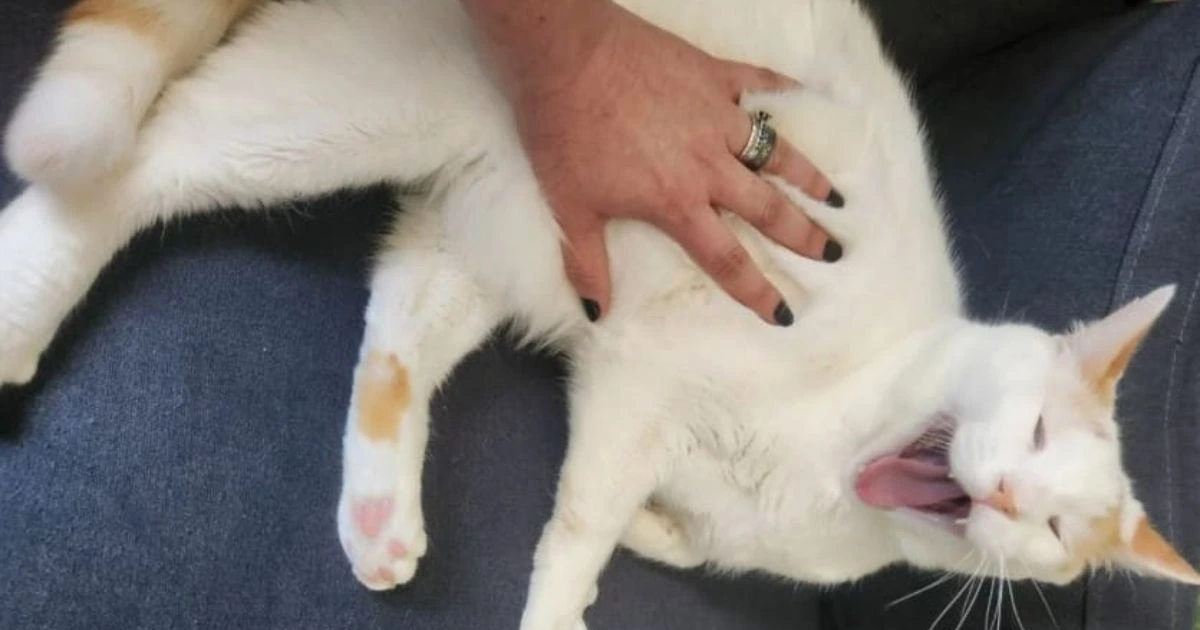
6. Overstimulation During Petting
Many cat owners are surprised when a relaxed pet suddenly growls while being stroked. In most cases, this happens because the cat has become overstimulated. Unlike dogs, many cats enjoy affection only for a certain amount of time. Repeated petting can eventually become uncomfortable, even if your cat appeared happy just moments earlier. A growl is often the first sign that your cat has reached its limit.
Watch for these warning signs before your cat growls
- A twitching tail
- Flattened ears
- Skin rippling along the back
- Dilated pupils
- Turning its head toward your hand
If you notice these signals, stop petting immediately and allow your cat to move away. Respecting its boundaries helps build trust and reduces the chances of future growling.
7. Stress and Anxiety
Stress is another common reason cats begin growling. These can also change your cat’s behavior. Cats thrive on routine, so even small changes around the home can make them feel anxious. Moving to a new house, introducing another pet, welcoming a new baby, or even rearranging furniture may trigger stress related behavior.
A stressed cat may also
- Hide more often
- Eat less than usual
- Groom excessively
- Avoid family members
- Become more vocal than normal
Creating a calm environment, maintaining a consistent routine, and providing safe hiding places can help your cat regain confidence over time.
8. Growling During Play
Play can sometimes become too intense, especially in kittens and young adult cats. While chasing toys or wrestling with another pet, excitement can quickly turn into rough play. Some cats growl while holding a toy or during a mock hunting session. This doesn’t always mean they are angry, it may simply be part of their natural hunting instincts.
To keep play sessions safe
- Use interactive toys instead of your hands.
- End the session if your cat becomes overly excited.
- Give your cat regular opportunities to burn off energy.
Encouraging healthy play reduces frustration and helps prevent accidental bites or scratches.
9. Redirected Aggression
Sometimes your cat isn’t growling at you, it is reacting to something else. For example, your cat may spot a bird through the window or another cat outside but be unable to reach it. This frustration can build quickly, causing the cat to redirect its emotions toward the nearest person or pet.
If this happens
- Stay calm
- Don’t try to pick up your cat
- Remove the trigger if possible, such as closing the curtains
- Give your cat time and space to relax before interacting again
Redirected aggression usually fades once the source of frustration is gone.
What Does a Growling Cat’s Body Language Mean?
A growl is only one part of your cat’s communication. Its body language often reveals how it is feeling and how serious the situation is
Look for these signs
- Flattened ears
- Wide or dilated pupils
- Stiff body posture
- Arched back
- Puffed-up fur
- Tail flicking or puffed up
- Exposed teeth
- Intense staring
If several of these signs appear together, your cat is asking for space. Ignoring these warnings may increase the risk of scratching or biting. Learning to read your cat’s body language is just as important as understanding its vocalizations.
How Should You Respond to a Growling Cat?
Knowing how to react can prevent the situation from getting worse.
If your cat starts growling
- Stay calm and avoid sudden movements
- Give your cat enough space
- Identify what may have triggered the behavior
- Speak in a gentle, reassuring voice
- Allow your cat to calm down before approaching
Remember, growling is a warning not an invitation to discipline your cat. Respecting that warning helps your cat feel safe and strengthens your relationship.
When Should You Visit a Veterinarian?
Occasional growling is normal, but persistent or sudden growling may indicate an underlying health issue. Early treatment is important because many painful conditions become easier to manage when diagnosed promptly.
Contact your veterinarian if your cat
- Suddenly starts growling without an obvious reason
- Growls whenever a specific area is touched
- Stops eating or drinking
- Becomes unusually withdrawn
- Shows signs of injury or illness
Conclusion
Understanding why do cats growl helps you respond with patience instead of fear. In most cases, growling is your cat’s way of communicating that something is making it feel uncomfortable, threatened or unsafe. Whether the cause is fear, pain, stress, territorial behavior, or overstimulation, listening to these warning signals can prevent situations from escalating. Rather than punishing your cat, focus on identifying the reason behind the behavior and giving it the space and reassurance it needs. If the growling becomes frequent, appears suddenly, or is accompanied by other signs of illness, consult your veterinarian to rule out any medical problems.
FAQ’S
Why do cats growl ?
Cats may growl because they feel frightened, uncomfortable, overstimulated or in pain. Instead of assuming your cat is being aggressive, look for other body language signals and consider what may have triggered the behavior.
Why does my cat growl while being petted?
Some cats become overstimulated after being petted for too long. Growling is their way of telling you they have reached their limit and need a break.
Why do cats growl at other cats?
Cats often growl to defend their territory, food, toys, or personal space. It is a warning intended to prevent a fight rather than start one.
Is growling always a sign of aggression?
Not at all. Growling is usually a warning that a cat feels threatened, stressed, frightened, or uncomfortable. Many cats growl to avoid conflict rather than encourage it.
Can a sick cat growl more than usual?
Yes! Pain and illness can make even a gentle cat become defensive. If your cat suddenly starts growling without an obvious cause then schedule a veterinary check-up.