
Have you ever watched your sleeping cat suddenly twitch its paws, whiskers, ears, or tail? It can be surprising, especially if the movements happen repeatedly or become more noticeable. Many cat owners immediately wonder whether these small jerks are a normal part of sleep or a sign that something is wrong. If you’ve been asking why do cat twitch in their sleep, you’re not alone. Sleep twitching is one of the most common behaviors observed in cats, yet it is often misunderstood.
In most cases, these movements are completely harmless and happen because your cat is dreaming or has entered a deep stage of sleep. In this article, you’ll learn why cats twitch while sleeping, what causes these movements, how to tell the difference between normal sleep twitching and a health problem and when it’s time to consult a veterinarian.
Understanding Why Do Cat Twitch in Their Sleep
If you’ve ever wondered why do cat twitch in their sleep, the answer lies in the way a cat’s brain and body work during sleep. Just like humans, cats go through different sleep stages, including deep sleep and Rapid Eye Movement (REM) sleep. During REM sleep, the brain becomes highly active while the body remains mostly relaxed. During this stage, many cats twitch their paws, ears, whiskers, eyelids, or tail. These small movements are usually linked to dreaming and are considered a normal part of healthy sleep. Scientists believe cats dream about activities they experience while awake, such as hunting, climbing, playing, or exploring their surroundings.
In most situations, occasional twitching is nothing to worry about. However, paying attention to how often it happens, how intense the movements are, and whether your cat behaves normally after waking up can help you determine if the twitching is harmless or something that requires veterinary attention.
9 Common Reasons Why Do Cat Twitch in Their Sleep
1. Your Cat Is Dreaming
The most common answer to why do cat twitch in their sleep is that they are dreaming. Cats spend a significant portion of their lives sleeping, and just like humans, they experience REM sleep. During this stage, the brain becomes more active and allows dreams to occur. While scientists cannot know exactly what cats dream about, researchers believe they often relive activities from their daily lives.
For example, your cat may dream about
- Chasing birds
- Catching a toy mouse
- Climbing furniture
- Playing with another pet
- Exploring the garden
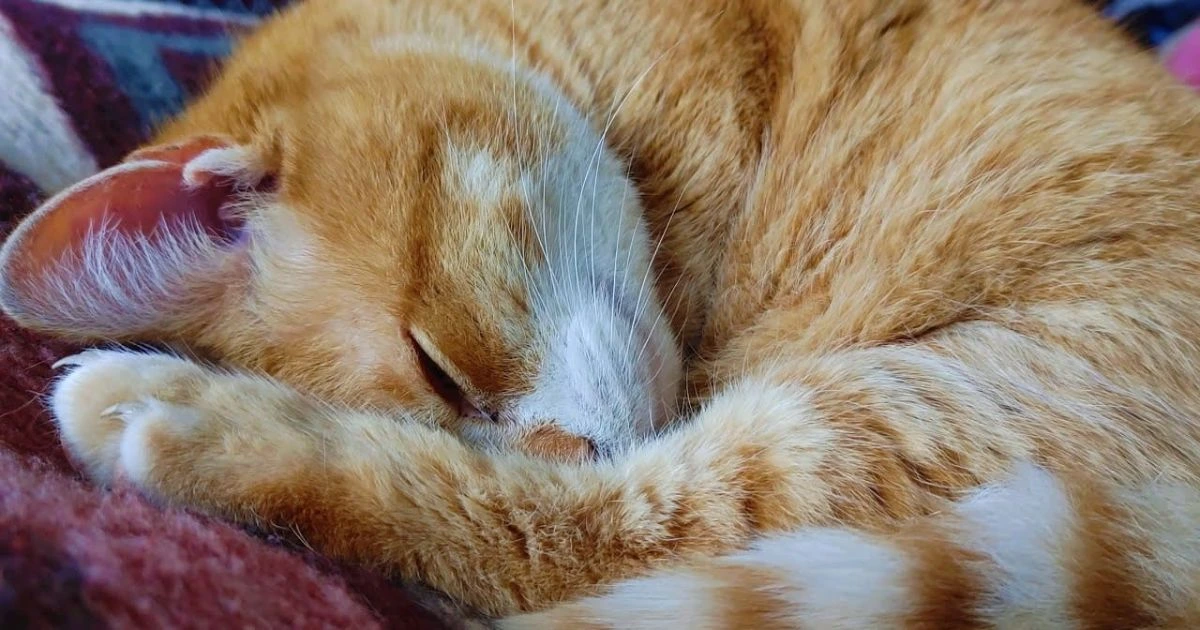
As these dreams unfold, small muscle movements may occur naturally. You might notice twitching paws, moving whiskers, flicking ears or gentle tail movements. These are all considered normal signs of dreaming. If your cat wakes up calmly after twitching and behaves normally, there is usually no reason for concern.
2. REM Sleep Causes Involuntary Muscle Movements
Another reason why do cat twitch in their sleep is the REM sleep stage itself. Rapid Eye Movement is the deepest stage of sleep and is essential for both physical recovery and brain function. During REM sleep, your cat’s brain remains highly active while most muscles stay relaxed. Occasionally, however, small groups of muscles contract briefly, causing visible twitching.
You may notice
- Eyelids moving beneath closed eyes
- Whiskers twitching
- Ears flicking
- Legs making gentle running motions
- Tail moving slightly
These movements are perfectly normal and usually last only a few seconds before stopping on their own.
3. Kittens Twitch More Than Adult Cats
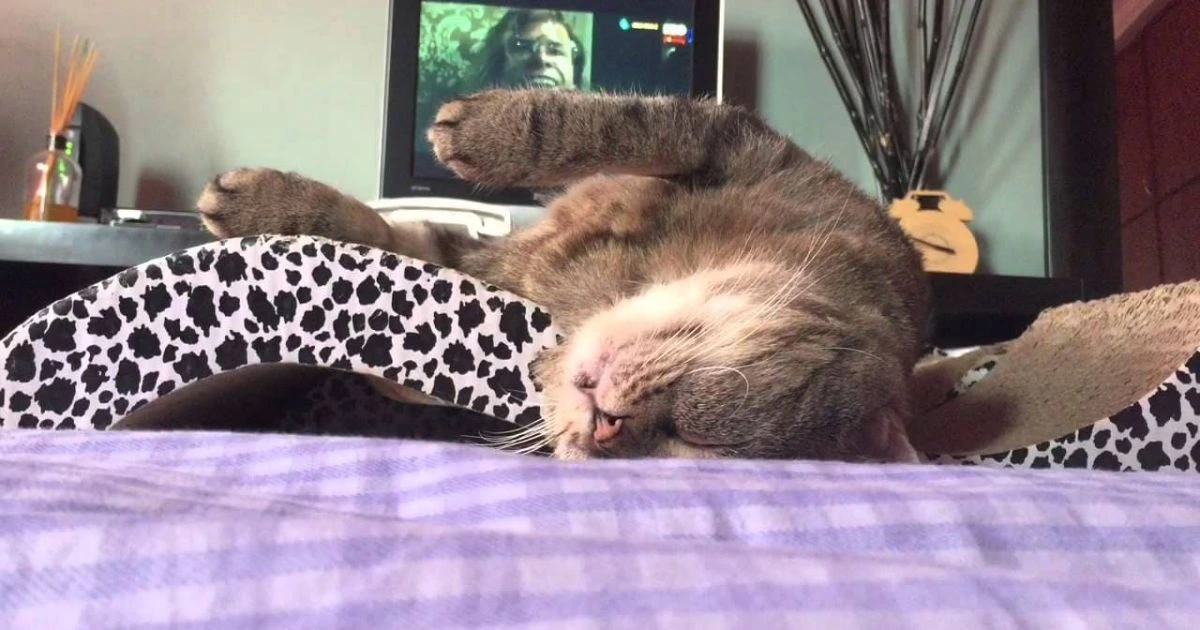
If you own a kitten, you may notice twitching happens much more frequently. Young kittens spend more time in REM sleep because their brains and nervous systems are still developing. Sleep plays a crucial role in learning, memory, and healthy growth during the first months of life.
This is one reason why do cat twitch in their sleep more often when they are young. Their developing brain processes new experiences every day and leads to more noticeable dream related movements.
As kittens mature into adult cats, the amount of REM sleep gradually decreases and twitching often becomes less frequent.
4. Daily Activities Are Being Processed
Cats experience many new sights, sounds and smells throughout the day. Whether they spend time chasing toys, climbing cat trees, watching birds from the window or interacting with family members their brains continue processing these experiences while they sleep. Researchers believe this helps strengthen memory and learning. As a result, your cat may briefly twitch while its brain organizes information gathered during the day. This type of twitching is usually mild, short lived and completely harmless.
5. Your Cat Is Completely Relaxed
Sometimes twitching simply means your cat feels safe enough to enter a deep and restful sleep. Cats are naturally cautious animals and rarely sleep deeply if they feel threatened. When they trust their environment they are more likely to experience long periods of deep sleep, where minor muscle twitches are common.
If your cat sleeps comfortably on the couch, your bed or its favorite blanket while twitching occasionally it is generally a sign that it feels secure and relaxed in its surroundings.
6. Stress or Excitement Before Sleeping
Another possible reason why do cat twitch in their sleep is because they have experienced an exciting or stressful day. Just like people, cats continue processing emotions and daily events while they rest. A busy play session, meeting new people, traveling or changes in their environment can make the brain more active during sleep. As your cat enters deep sleep, these recent experiences may trigger small muscle movements causing the paws, ears, whiskers, or tail to twitch.
If your cat appears relaxed after waking up and continues eating, playing and behaving normally, occasional twitching caused by excitement or stress is generally nothing to worry about.
7. Age Can Affect Sleep Twitching
Age is another factor that can influence sleep movements. Young kittens usually twitch more because their brains are still developing and they spend more time in REM sleep. During this stage, the brain processes everything they have learned, making twitching more noticeable.
Senior cats however, may also experience sleep twitching for different reasons. As cats age changes in the nervous system or underlying health conditions can sometimes make these movements more frequent. This is another reason why cats twitching in their sleep may vary from one cat to another. While occasional twitching is considered normal at any age, sudden changes in sleeping behavior should always be monitored closely.
8. Certain Medical Conditions
Although sleep twitching is usually harmless, medical problems can occasionally be responsible. Some neurological disorders, muscle diseases, injuries or metabolic conditions may cause abnormal muscle movements during sleep. In rare cases, sleep twitching may even resemble a seizure.
Watch for warning signs such as
- Violent body shaking
- Loss of consciousness
- Difficulty breathing
- Drooling
- Uncontrolled paddling movements
- Confusion after waking
- Twitching that continues while awake
If you notice any of these symptoms contact your veterinarian immediately. Identifying the underlying cause early can improve your cat’s recovery and overall health.
9. Your Cat May Be Experiencing a Sleep Disorder
Although uncommon, some cats develop sleep disorders that cause unusual movements while resting. Sleep disorders may affect how the brain controls muscles during different sleep stages. Instead of remaining relaxed during REM sleep the body may produce stronger or longer lasting movements. If you’re wondering why do cat twitch in their sleep every night with unusually intense movements, recording a short video for your veterinarian can be very helpful. A video often provides valuable information that can assist with diagnosis.
Fortunately, true sleep disorders are much less common than normal dream related twitching.
Is It Normal for Cats to Twitch While Sleeping?
In most cases, yes. Healthy cats often twitch while sleeping because they are dreaming or have entered REM sleep. Small movements involving the whiskers, ears, paws, eyelids, or tail are completely normal and usually last only a few seconds. However you should pay closer attention if the twitching
- Becomes violent or prolonged.
- Happens while your cat is fully awake.
- Is accompanied by crying or unusual vocalization.
- Causes your cat to lose balance after waking.
- Occurs alongside other changes in behavior, appetite, or energy levels.
Understanding why do cat twitch in their sleep can help you distinguish harmless dream movements from signs that require veterinary attention.
Should You Wake a Twitching Cat?
Generally, no. It may be tempting to wake your cat when you notice twitching but doing so can interrupt an important stage of sleep. If your cat is simply dreaming, waking it suddenly may leave it startled or confused. Instead observe the movements from a distance. If the twitching stops naturally and your cat wakes up normally, there is usually no cause for concern. Only intervene if you believe your cat is having a seizure or showing signs of medical distress.
When Should You Visit a Veterinarian?
Most cases of sleep twitching are completely normal. However veterinary care is recommended if your cat
- Twitches violently or for several minutes.
- Experiences repeated episodes every day.
- Shows twitching while awake.
- Has difficulty standing after waking.
- Loses consciousness.
- Stop eating or drinking.
- Displays other unusual behaviors.
A physical examination can help determine whether the twitching is simply related to sleep or caused by an underlying health problem.
Conclusion
Understanding why do cat twitch in their sleep can help you recognize the difference between normal sleep behavior and signs of a potential health problem. In most cases, twitching occurs because cats are dreaming, processing daily experiences or enjoying the deep stages of REM sleep. These small movements are a natural part of healthy rest and usually don’t require any treatment. However, it’s always important to observe your cat’s overall behavior. If the twitching becomes violent and continues while your cat is awake or is accompanied by symptoms such as drooling, loss of consciousness or difficulty walking then schedule a veterinary examination as soon as possible. By learning what is normal and knowing when to seek professional advice, you can ensure your feline companion stays healthy, comfortable and safe throughout every stage of sleep.
FAQ’s
Why do cat twitch in their sleep every night?
The most likely explanation is normal REM sleep and dreaming. Cats experience several sleep cycles throughout the night, so occasional twitching is expected. If the movements become severe or are accompanied by other symptoms, consult your veterinarian.
Is it normal for cats to twitch while sleeping?
Yes. Mild twitching of the paws, whiskers, ears, eyelids, or tail is a normal part of REM sleep and usually indicates your cat is dreaming.
Are cats dreaming when they twitch?
Most experts believe they are. During REM sleep, the brain remains active and many researchers think cats dream about activities they experienced while awake, such as hunting, climbing or playing.
Can twitching be a sign of a seizure?
Sometimes. Seizures are usually more intense than normal sleep twitching and may involve violent shaking, drooling, loss of consciousness or confusion after waking. If you suspect a seizure, seek veterinary care immediately.
Should I be worried if my kitten twitches while sleeping?
No. Kittens generally twitch more than adult cats because they spend more time in REM sleep while their brains and nervous systems develop. Occasional twitching is considered completely normal.