
Cat mouth ulcers are painful sores that develop in different parts of the mouth, including the gums, tongue, lips, cheeks, or roof of the mouth. Their appearance and severity can vary depending on what is causing them.
A sore in the mouth may result from dental disease, inflammation, infection, an injury, or an underlying health problem. Some cats may show obvious discomfort, while others continue their normal routine despite having a painful lesion.Noticing changes in eating, drooling, grooming, or behavior can help identify a problem early.
What Are Cat Mouth Ulcers?
A cat mouth ulcer develops when the surface of the tissue lining the mouth becomes damaged, leaving an exposed, inflamed area. The sore may be shallow or deep and can occur anywhere from the lips and gums to the tongue or back of the mouth.
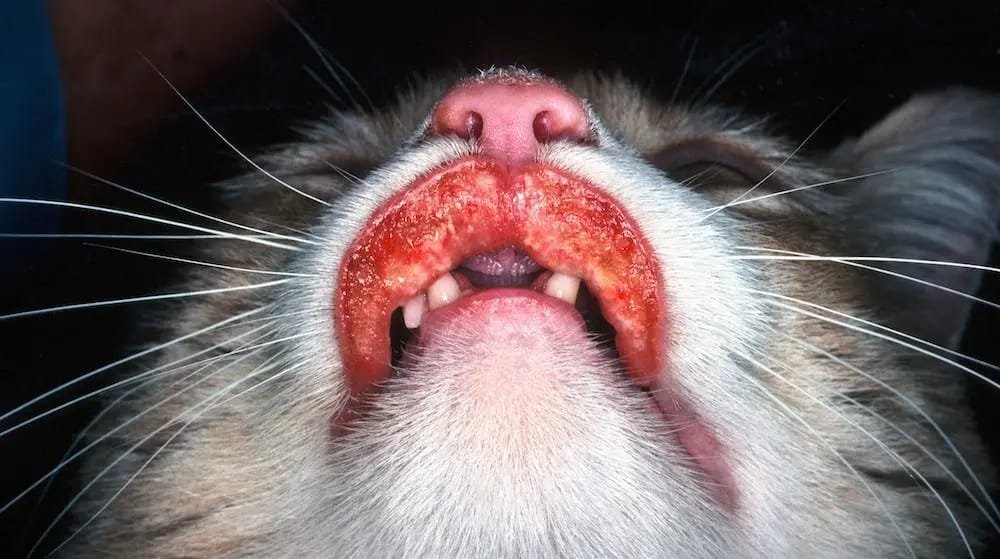
These lesions are not a disease on their own. They are usually a sign of another problem, which can range from local irritation and dental disease to infections, inflammatory conditions, or certain systemic illnesses. Finding the underlying cause is important because treatment depends on what triggered the ulcer.
Cat Mouth Ulcer Signs
Cat mouth ulcers don’t always look the same. Some may be small and difficult to notice, while others cause obvious changes inside the mouth. You may see a red or raw patch, a shallow open sore, swelling around the affected area, or bleeding in more severe cases.
The location can also provide a clue. Lesions may appear along the gums, on the tongue, around the lips, or farther back in the mouth. A cat may also show signs such as drooling, bad breath, reluctance to eat, or pawing at its mouth when the sore is causing discomfort.
Why Do Cats Develop Mouth Ulcers?
Cat mouth ulcers can develop for many reasons, and the underlying trigger isn’t always obvious from the sore itself. Some causes start with the teeth or oral tissues, while others are related to infections, allergic reactions, or conditions affecting the whole body.
Dental Problems
Plaque and tartar can cause inflammation of the gums and damage the tissues surrounding the teeth. Advanced periodontal disease, infected tooth roots, and tooth resorption may contribute to cat mouth ulcers by irritating nearby tissues.
Stomatitis
Feline stomatitis causes severe inflammation throughout parts of the mouth. The gums and tissues toward the back of the oral cavity can become extremely painful and inflamed.
Cats with stomatitis may develop cat mouth ulcers along with excessive drooling, difficulty eating, bad breath, and significant oral pain. Some cases require extensive dental treatment and long-term management.
Viral Infections
Feline calicivirus is an important infectious cause of oral sores. It commonly produces ulcers on the tongue or other areas of the mouth and may occur with sneezing, nasal discharge, fever, or reduced appetite. If cat mouth ulcers appear together with respiratory symptoms, an infectious cause becomes more important to investigate.
Allergic Reactions
Some oral lesions are associated with eosinophilic granuloma complexes. Indolent ulcers, for example, commonly develop on the upper lip. Flea-bite reactions, food allergies, and environmental allergens may contribute to these lesions in susceptible cats. Treating cat mouth ulcers caused by an allergic problem requires identifying and
controlling the underlying trigger.
Kidney Disease
Advanced kidney disease can cause waste products to build up in the bloodstream. These substances may irritate the mouth and contribute to inflammation or ulceration. When cat mouth ulcers occur with increased thirst, frequent urination, weight loss, vomiting, or reduced appetite, a veterinarian may recommend blood and urine testing.
Toxins and Burns
Certain chemicals, plants, medications, or hot substances can damage sensitive oral tissues. The resulting injury may appear as a red, raw, or ulcerated area. Keep potentially harmful substances away from cats because cat mouth ulcers caused by chemical or thermal injury may be accompanied by more serious internal damage.
Trauma and Foreign Objects
Sharp objects, rough materials, bones, or pieces of toys can scratch or puncture the mouth. String and similar materials can also become lodged around the tongue or elsewhere in the mouth. If cat mouth ulcers develop after your cat has chewed something unusual, a foreign object or physical injury should be considered.
Oral Tumors
Some oral cancers, including squamous cell carcinoma, can appear as an ulcerated or non-healing lesion. This does not mean every sore is cancer, but a persistent ulcer should not simply be assumed to be a minor injury. A veterinarian should examine cat mouth ulcers that grow, bleed repeatedly, return, or fail to heal.
Symptoms of Cat Mouth Ulcers
Not every cat shows oral discomfort in the same way. Some changes are obvious, while others can be easy to miss, particularly when the ulcer is small or hidden toward the back of the mouth.
Changes While Eating
A cat with an oral ulcer may take longer to finish meals, chew on one side, drop pieces of food, or walk away from the bowl. Some cats may also avoid dry food and show more interest in softer meals.
Drooling
Extra saliva can occur when a sore makes swallowing or normal mouth movements uncomfortable. In some cases, the saliva may be thick or contain a small amount of blood.
Bad Breath
A stronger-than-usual odor can occur with an ulcer, particularly when dental disease, infection, or damaged tissue is involved. A persistent change in breath should not be dismissed as normal.
Mouth Related Behavior
Repeated lip licking, pawing at the mouth, rubbing the face against objects, or making unusual jaw movements may indicate irritation. These behaviors can be more noticeable around mealtimes.
Visible Changes
An ulcer may appear as a red, raw, swollen, or bleeding area. Some lesions are located deep inside the mouth and may be difficult to see at home, especially if your cat resists having its mouth opened.
Changes in Behavior
Oral discomfort can affect a cat’s usual routine. You may notice more hiding, less grooming, reduced activity, or irritability when the face or mouth is touched.
When Should You Call the Vet?
A mouth ulcer isn’t always serious, but some sores can point to an underlying problem that needs treatment. Contact your veterinarian if you notice any of the following:
Refusing Food
If your cat suddenly stops eating or repeatedly approaches the bowl and then walks away, mouth pain may be making meals difficult. Cats that go without food can develop other health problems, so this should not be ignored.
Trouble Swallowing
Difficulty swallowing, repeated attempts to swallow, or backing away from food or water can indicate that an ulcer or another oral problem is affecting the throat or deeper parts of the mouth.
Persistent Drooling
A sudden increase in saliva can point to irritation inside the mouth. Drooling that continues, becomes excessive, or contains blood deserves veterinary attention.
Severe Mouth Pain
Pawing at the mouth, vocalizing during meals, avoiding face contact, or suddenly becoming reluctant to chew can suggest significant discomfort. Cats often hide pain, so noticeable changes should be taken seriously.
Non Healing Ulcer
A sore that does not improve, becomes larger, changes in appearance, or repeatedly returns needs to be investigated. Persistent lesions can sometimes be linked to conditions that require specific treatment.
Facial Swelling
Swelling around the lips, cheeks, or jaw can occur with dental infections, abscesses, or other problems affecting the tissues around the mouth. Prompt assessment can help prevent the condition from worsening.
Weight Loss
Gradual weight loss may occur when eating has become uncomfortable for several days or weeks. A noticeable drop in weight, especially alongside reduced appetite or other oral changes, warrants a veterinary examination.
How Are Mouth Ulcers Diagnosed?
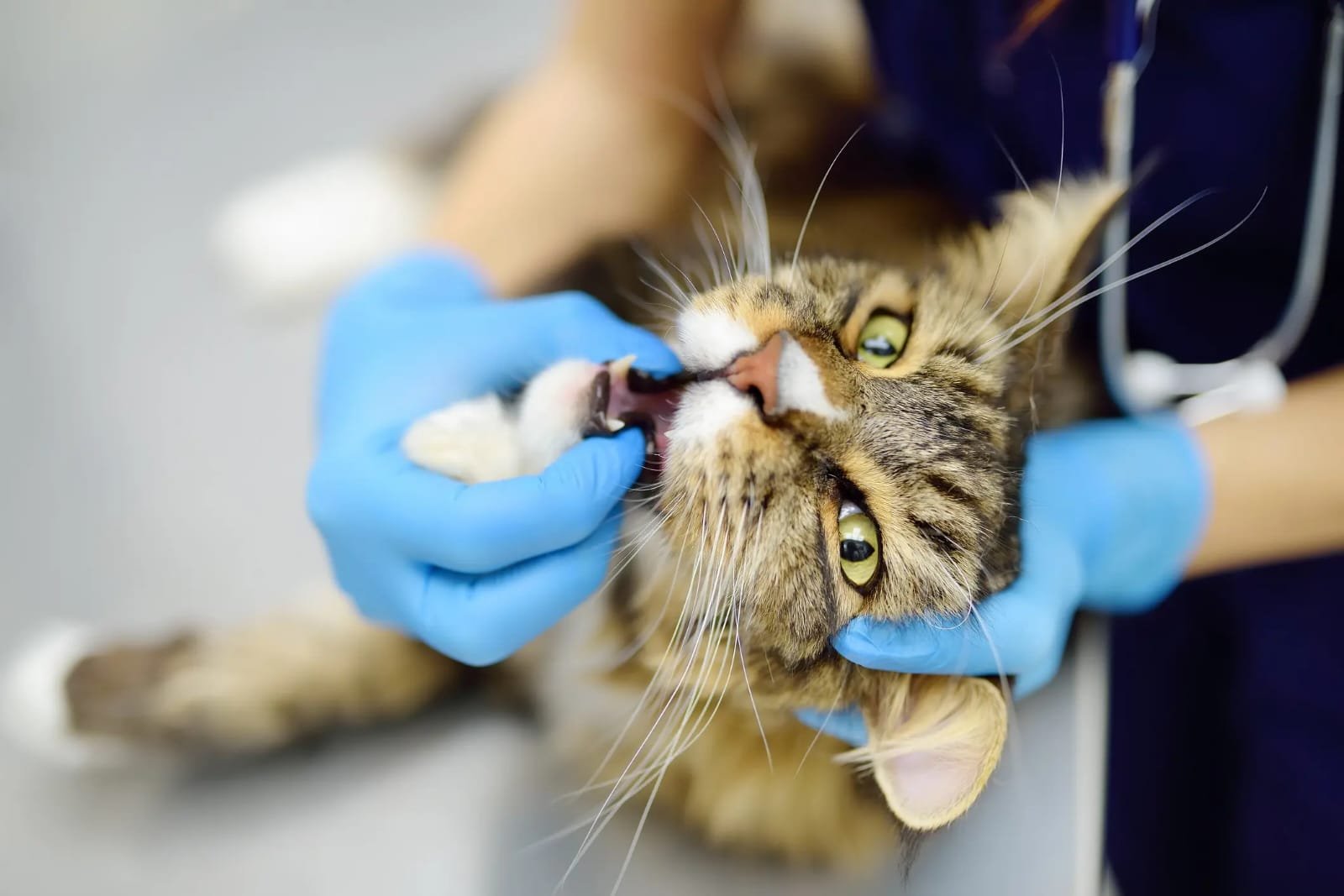
A veterinarian will examine the ulcer and look for signs that may point to an underlying cause. Your cat’s medical history, eating habits, other symptoms, and the ulcer’s location and appearance can help the veterinarian decide which tests are needed.
Oral Examination
The mouth is checked for ulcers, inflamed gums, damaged teeth, foreign objects, swelling, and other abnormalities. A detailed examination may require sedation or anesthesia if the area is painful or difficult to inspect safely.
Blood Tests
Blood work can help to identify health problems that may contribute to oral ulcers, including kidney disease. Tests for infections such as FeLV and FIV may also be recommended depending on your cat’s history and symptoms.
Dental X Rays
Dental radiographs can reveal problems hidden below the gumline, such as tooth root disease or tooth resorption. These issues may not be visible during a basic examination.
Biopsy
A tissue sample may be recommended when an ulcer is unusual, persistent, or doesn’t respond to treatment. Examining the tissue under a microscope can help distinguish inflammatory conditions from infections or cancer.
Treatment Depends on the Cause
Treatment depends on what is causing the ulcer. Once the underlying problem is identified, your veterinarian can choose the appropriate treatment to address the cause and support healing.
Dental Treatment
If the ulcer is related to periodontal disease, a damaged tooth, or tooth resorption, professional dental treatment may be needed. This can include cleaning below the gumline, dental X-rays, or removing teeth that are severely affected.
Managing Stomatitis
Cats with severe stomatitis may need more extensive dental treatment, including extraction of some or many teeth. Medication may also be used in selected cases to control inflammation and manage ongoing symptoms.
Treating Infections
When an infection is responsible, treatment will depend on the specific cause. Your veterinarian may recommend medication or supportive care while addressing the underlying infection.
Addressing Allergies
For ulcers associated with allergic reactions or eosinophilic granuloma complex, identifying and reducing the trigger is an important part of management. Flea control and dietary trials may be recommended when appropriate.
Managing Other Conditions
If an ulcer is connected to kidney disease, toxin exposure, trauma, or another medical problem, treating that condition becomes an important part of recovery. Persistent lesions may require additional investigation before treatment is chosen.
Helping Your Cat at Home
Home care should support the treatment recommended by your veterinarian rather than replace it. Small changes to your cat’s routine can make eating and recovery easier while the mouth heals.
Soft Food
Soft or moist food may be easier to manage when chewing is uncomfortable. Follow your veterinarian’s dietary advice, particularly if an underlying condition requires a specific type of food. Avoid offering very hot, spicy, or strongly flavored foods that could irritate the mouth.
Give Medicines
If medication has been prescribed, follow the exact dose and schedule provided by your veterinarian. Never give human painkillers or leftover medicines, as common household medications can be toxic to cats.
Fresh water
Fresh water should always be within easy reach. If your cat is reluctant to drink, mention this to your veterinarian rather than trying to force water by mouth.
Keep Calm
A quiet, comfortable area can reduce stress during recovery. Keep food, water, and the litter box nearby so your cat does not need to travel far while feeling unwell.
Monitor Eating
Keep an eye on how much your cat is eating and drinking each day. Reduced food intake, continued weight loss, or a sudden refusal to eat should be reported to your veterinarian rather than managed at home for several days.
Avoid Irritation
Do not scrub the sore, apply human oral products, or repeatedly open your cat’s mouth to check it. Handling the area can cause additional irritation and may make your cat more resistant to future examinations.
Prevention
- Brush your cat’s teeth with cat-specific dental products.
- Use regular flea prevention to reduce allergy-related ulcers.
- Keep toxic chemicals, irritating plants, medications, and hot objects away from your cat.
- Schedule regular veterinary examinations to catch dental and health problems early.
- Look for bad breath, drooling, eating difficulties, or unusual sores around the mouth.
FAQ
Are Cat Mouth Ulcers Painful?
They can be, particularly when they affect areas involved in chewing or swallowing. Some cats show obvious discomfort, while others may hide their pain.
Can Dental Disease Cause Mouth Ulcers?
Yes. Severe gum disease, tooth-root problems, and tooth resorption can damage nearby tissues and contribute to ulcer formation.
Can Mouth Ulcers Cause a Cat to Stop Eating?
Yes. Pain or irritation can make chewing and swallowing uncomfortable, leading to reduced appetite or complete food refusal.
Are Mouth Ulcers Contagious?
The ulcer itself is not necessarily contagious. However, certain infections that cause oral sores, such as calicivirus, can spread between cats.
How Long Do Cat Mouth Ulcers Last?
The healing time varies because it depends on the underlying cause and whether that cause is treated. A sore that persists or repeatedly returns should be evaluated rather than left untreated.
Conclusion
Cat mouth ulcers can look minor at first, but they may sometimes point to a deeper dental, infectious, allergic, or medical problem. Since cats often hide discomfort, small changes in eating or behavior can be worth noticing.
Keeping up with dental care, routine checkups, and general preventive care can support your cat’s oral health. If a sore persists or your cat’s normal routine changes, getting it checked can help identify the problem before it progresses.