
Cat vomiting is something many cat owners experience at least once, but that doesn’t mean it should be ignored. A single episode may happen because of a hairball or an upset stomach, while repeated vomiting can point to an underlying health problem that needs veterinary attention.
This guide explains the common causes of cat vomiting, when to worry, and how it’s diagnosed and treated.
What Is Cat Vomiting?
Cat vomiting is when a cat brings up food or liquid from the stomach through the mouth. It happens when the body tries to remove something that is upsetting the stomach or digestive system.
Cat vomiting can happen for many reasons, including hairballs, eating too quickly, stomach irritation, infections, parasites, or other health conditions. Finding the cause is important because the right treatment depends on what’s triggering the vomiting.
Is It Normal for Cats to Vomit?
No. Many people believe it is normal for cats to vomit occasionally, but healthy cats should not throw up on a regular basis. While a hairball or a mild stomach upset may cause an isolated episode, vomiting that happens often is not considered normal.
If your cat vomits repeatedly or starts showing other signs such as diarrhea, loss of appetite, tiredness, or weight loss, it is important to have them examined by a veterinarian. Early diagnosis can help to identify the problem before it becomes more serious.
Vomiting vs. Regurgitation
Vomiting and regurgitation may seem similar, but they’re two different processes. Knowing the difference can help your veterinarian identify the cause of the problem.
Vomiting
Vomiting is an active procedure that typically starts with itching, coughing, or repeated swallowing. Because the material comes from the stomach, it may contain partially digested food, bile, or foam.
Regurgitation
Regurgitation happens without itching or effort and usually occurs shortly after eating or drinking. The food is often undigested because it never reaches the stomach.
Types of Cat Vomit
An examination of your cat’s vomit might provide useful information about what’s causing the problem. Although it cannot determine the specific reason, it can provide your veterinarian useful information during the diagnostic process.
Hairballs
Hairballs are a common reason for cats to vomit, especially long-haired breeds. They usually appear as a tube-shaped clump of fur mixed with a small amount of liquid. While an occasional hairball is normal, frequent hairballs may suggest excessive grooming or a digestive problem.
Undigested Food
If your cat brings up undigested food soon after eating, it may have eaten too quickly. Sometimes this is actually regurgitation rather than vomiting because the food comes back up before it reaches the stomach.
Yellow Vomit
Yellow vomit usually contains bile, a digestive fluid produced by the liver. It often appears when the stomach is empty, but if it happens repeatedly, it could be associated with digestive disorders or other medical conditions.
White Foam
Seeing white foam usually means there’s little food left in your cat’s stomach. It can happen after long gaps between meals, but if it becomes a regular problem, stomach irritation or digestive disease should be considered.
Clear Liquid
Some cats throw up clear liquid after drinking water too quickly, while others do so because the stomach is empty. If this happens repeatedly, especially with poor appetite or tiredness, it’s worth having your cat examined.
Blood
Blood in vomit is a warning sign, even if it is only a small amount. Bright red blood often signifies recent bleeding, but black, coffee-ground-like substance indicates older blood. In any case, take your cat to the vet as soon as possible.
Common Causes of Cat Vomiting
Cat vomiting can happen for many different reasons. Some causes are mild and temporary, while others require prompt veterinary treatment. Identifying the cause is important because the right treatment depends on what’s making your cat vomit.
Eating Too Fast
Some cats eat so fast that their stomach doesn’t have time to settle, causing them to vomit soon after a meal. Using a slow feeder or offering smaller meals may help reduce this problem.
Hair Build-Up
Cats naturally swallow loose fur during grooming. The majority of it passes through the digestive system, although some hair may accumulate in the stomach.
When this occurs, your cat may vomit to eliminate the hairball.
Diet Changes
Changing your cat’s food too quickly can upset the digestive system and lead to vomiting. Introducing a new diet gradually over several days helps lower the risk of stomach upset.
Food Allergies
Some cats react poorly to certain ingredients in their food. Besides vomiting, they may also develop diarrhea, itchy skin, or ongoing digestive problems.
Parasites
Intestinal parasites, such as roundworms or hookworms, can irritate the digestive tract and cause vomiting, especially in kittens and outdoor cats.
Infections
Certain infections can affect the stomach and intestines, leading to vomiting along with symptoms such as diarrhea, fever, or loss of appetite.
Foreign Object
Cats are naturally curious and may swallow string, ribbon, toys, or other objects. These can become stuck in the digestive tract and often require emergency veterinary treatment.
Toxins
Houseplants, human medications, household cleaners, chocolate, onions, and other toxic substances can trigger vomiting. If you think your cat has eaten something poisonous, contact your veterinarian immediately.
Digestive Diseases
Conditions such as inflammatory bowel disease (IBD), pancreatitis, or stomach inflammation can cause recurring vomiting and usually need long-term management.
Symptoms of Cat Vomiting
Vomiting isn’t always the only sign of illness. Some cats also develop symptoms such as diarrhea, loss of appetite, tiredness, or weight loss. Recognizing these changes can help you decide when veterinary care is needed.
Vomiting but Acting Normal
Some cats vomit once and quickly return to eating, playing, and behaving as usual. If it doesn’t happen again and your cat seems completely normal, it may not be a cause for concern. However, repeated vomiting should always be checked by a veterinarian.
Vomiting and Diarrhea
When vomiting occurs with diarrhea, it often suggests a problem affecting the digestive tract. Common causes include dietary changes, parasites, infections, or food intolerance.
Vomiting After Eating
If your cat vomits soon after eating, they may have eaten too quickly or have a condition affecting the digestive tract. If it happens regularly, your cat should be examined by a veterinarian.
Loss of Appetite
Cats that stop eating after vomiting may be feeling nauseous or unwell. A poor appetite that lasts longer than a day should always be taken seriously.
Lethargy
A cat that becomes unusually quiet, weak, or sleeps more than usual may have an illness that requires medical attention, especially if vomiting continues.
Weight Loss
Vomiting that occurs over several weeks or months can lead to weight loss. This is often seen with long-term digestive diseases or other underlying medical conditions.
Blood in Vomit
Blood in vomit is never considered normal. Whether it appears bright red or dark, your cat should be examined by a veterinarian as soon as possible.
How Veterinarians Diagnose Cat Vomiting
To determine why your cat is vomiting, your veterinarian will first perform a physical examination and review your cat’s medical history. Depending on the findings, one or more diagnostic tests may be recommended.
Common Diagnostic Tests
Physical Examination
The examination begins by checking your cat’s overall health. Your veterinarian will assess hydration, body condition, temperature, and examine the abdomen for pain, swelling, or other abnormalities.
Blood Tests
Blood tests help to evaluate how well the body’s organs are functioning and can reveal signs of infection, inflammation, dehydration, or other medical conditions that may be causing vomiting.
Fecal Examination
A fecal test checks for intestinal parasites or other abnormalities that can affect the digestive system, especially in kittens and outdoor cats.
Imaging Tests
X-rays or ultrasound allow your veterinarian to examine the stomach, intestines, and nearby organs. These tests can help detect foreign objects, intestinal blockages, tumors, or changes in the abdominal organs.
Endoscopy
If the cause remains unclear, an endoscope may be used to examine the esophagus and stomach. During the procedure, your veterinarian can also collect small tissue samples for further testing.
Additional Tests
In some cases, specialized tests may be recommended to diagnose conditions such as pancreatitis, food allergies, hormonal disorders, or certain infectious diseases.
Treatment Options for Cat Vomiting
Treatment for cat vomiting depends on the underlying cause. Some cats recover with simple dietary changes and supportive care, while others may need medication, hospitalization, or surgery.
Fluid Therapy
Vomiting can quickly lead to dehydration, especially if it continues for more than a day. Mild dehydration may be treated with fluids under the skin, while more serious cases often require intravenous (IV) fluids.
Anti-Nausea Medication
Medications that control nausea and vomiting may be prescribed to help your cat feel more comfortable and prevent further fluid loss. These should only be given under veterinary guidance.
Dietary Management
A temporary bland or easily digestible diet may be recommended while your cat recovers. If a food allergy or intolerance is suspected, your veterinarian may suggest a special prescription diet.
Deworming
If intestinal parasites are responsible for the vomiting, appropriate deworming medication will be prescribed. The type of treatment depends on the parasite involved.
Endoscopy
Cats that have swallowed a foreign object or have a blockage may need endoscopy or surgery to remove it. Prompt treatment is important to prevent serious complications.
Long-Term Treatment
Chronic conditions such as inflammatory bowel disease, kidney disease, or hyperthyroidism often require ongoing treatment and regular veterinary monitoring to manage vomiting and improve your cat’s quality of life.
Home Care for Cat Vomiting
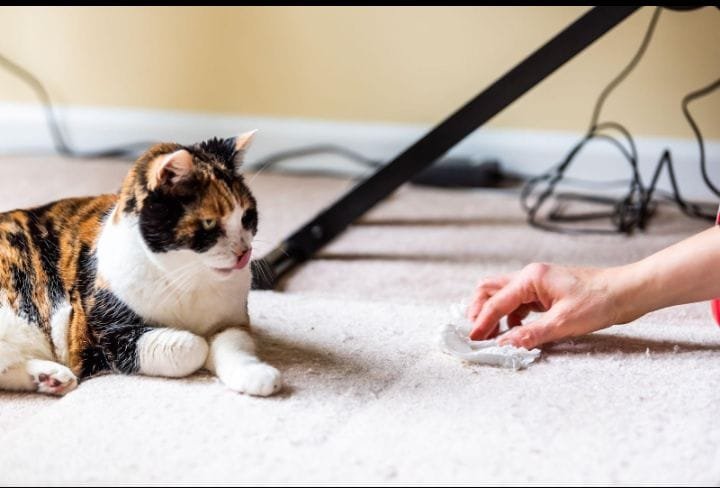
Home care can help to support your cat’s recovery after a mild vomiting episode. Keeping your cat hydrated, offering food gradually, and watching for changes are simple steps that may help.
Stay Hydrated
Encourage your cat to drink small amounts of fresh water throughout the day to help prevent dehydration.
Offer Small Meals
Once your cat is ready to eat, offer small, easily digestible meals instead of one large meal. This is often gentler on the stomach.
Monitor Symptoms
Watch how often your cat vomits, what the vomit looks like, and whether any new symptoms appear. Sharing these details with your veterinarian can help with diagnosis.
Avoid Human Medications
Never give your cat medications made for people unless your veterinarian specifically recommends them. Some human medicines can be toxic to cats.
Reduce Stress
Keep your cat in a quiet, comfortable environment while they recover. Reducing stress may help them rest and return to their normal routine more easily.
Prevention
Some causes of cat vomiting can’t be avoided, but good daily care can help lower the risk and keep your cat healthy.
Regular grooming removes loose fur before your cat swallows it, helping reduce the risk of hairballs.
Diet Changes
If you’re changing your cat’s diet, do it over 7–10 days. A gradual transition helps prevent stomach upset.
Balanced Diet
Choose a complete and balanced diet that’s appropriate for your cat’s age and health.
Avoid Toxins
Store medications, household cleaners, toxic plants, and small objects where your cat can’t access them.
Parasite Control
Follow your veterinarian’s recommendations for routine parasite prevention, especially if your cat spends time outdoors.
Vet Checkups
Regular veterinary visits can help detect health problems early before they become more serious.
When to See a Veterinarian
An occasional episode of cat vomiting may not always be an emergency. However, repeated vomiting or vomiting along with other concerning signs should never be ignored. Early veterinary care can help identify the cause and prevent complications.
Contact your veterinarian if your cat:
- Vomits more than once within 24 hours or continues vomiting for more than a day.
- Cannot keep food or water down.
- Has diarrhea, loss of appetite, or unusual tiredness.
- Vomits blood or material that looks like coffee grounds.
- Shows signs of pain, bloating, or discomfort.
- Is losing weight or vomiting repeatedly over several weeks.
- May have swallowed a foreign object or been exposed to a toxic substance.
Emergency Signs
Seek immediate veterinary care if your cat:
- Has difficulty breathing or is breathing with an open mouth.
- Becomes weak, collapses, or is unresponsive.
- Has pale, blue, or gray gums.
- Vomits continuously without stopping.
- Shows severe abdominal pain or a swollen abdomen.
Conclusion
Cat vomiting isn’t something to ignore, even if it seems mild at first. While an occasional episode may resolve on its own, repeated vomiting or vomiting accompanied by symptoms such as diarrhea, loss of appetite, lethargy, or weight loss can signal a more serious medical condition. Paying close attention to your cat’s behavior, eating habits, and the appearance and frequency of vomiting can help identify problems early. Prompt veterinary care, along with appropriate treatment and regular preventive care, can improve your cat’s recovery and support their long-term health. If you’re ever unsure about your cat’s symptoms, it’s always safest to consult your veterinarian.
Frequently Asked Questions
When should I worry about cat vomiting?
Contact your veterinarian if your cat vomits repeatedly, can’t keep food or water down, vomits blood, or becomes weak, lethargic, or loses their appetite. Early treatment can help prevent complications.
Can indoor cats vomit?
Yes. Indoor cats can still vomit because of hairballs, diet changes, digestive disorders, food allergies, or other medical conditions. Living indoors doesn’t eliminate the risk of illness.
Can stress cause cat vomiting?
Yes. Stressful events such as moving, travel, or changes in routine can upset a cat’s stomach. If vomiting continues after the stressful event has passed, consult your veterinarian.
Is it normal for cats to vomit hairballs?
An occasional hairball can be normal, particularly in long-haired cats. However, frequent hairballs or repeated vomiting may indicate that your cat needs veterinary attention.
Why is my cat vomiting after eating?
Some cats vomit after eating because they eat too quickly or have a sensitive stomach. If it happens regularly, it could be linked to a digestive disorder or another underlying health condition.