
Cat limping is a common sign that something is affecting your cat’s leg, paw, joint, or overall mobility. Some cats develop a limp suddenly after an injury, while others may begin limping gradually because of arthritis, infections, or other underlying health problems. Even if your cat continues to walk, run, or jump, limping should never be considered normal.
Cats are known for hiding pain, which means a mild limp can sometimes be the only visible sign that something is wrong. Early diagnosis can help prevent complications and improve treatment outcomes. Prompt veterinary care also increases the chances of a faster recovery.
What Is Cat Limping?
Cat limping is an abnormal change in the way a cat walks or moves due to pain, weakness, or discomfort affecting one or more limbs. Some cats avoid putting weight on the affected leg completely, while others may still walk but show a subtle change in their gait.
Limping is a symptom rather than a disease itself. It can occur because of injuries, paw problems, infections, joint disease, nerve disorders, or other medical conditions. The severity can range from a barely noticeable limp to an inability to stand or walk normally.
What Does Cat Limping Look Like?
Cat limping doesn’t always mean your cat will hold a leg completely off the ground. Some cats continue to walk normally but take shorter steps, shift their weight to the opposite side, or hesitate before jumping and climbing.
You may also notice stiffness after resting, reduced activity, excessive licking of one leg, or reluctance to play. Since cats often hide pain, even subtle changes in movement can be an important sign that something isn’t right.
Common Causes of Cat Limping
Cat limping can develop for many reasons, ranging from minor paw injuries to serious medical conditions. Some causes appear suddenly after an accident, while others develop gradually over time. Identifying the underlying cause is essential because the most appropriate treatment depends on what’s affecting your cat’s mobility.
Injuries
Sprains, strains, fractures, dislocations, or injuries from falls, fights, or road accidents are common causes of limping. Depending on the severity, your cat may avoid putting weight on the affected leg or show signs of pain when moving.
Paw Problems
Cuts, burns, insect stings, torn nails, ingrown claws, or foreign objects such as thorns, glass, or splinters can make walking painful. Carefully examining your cat’s paws may help identify these problems.
Arthritis and Joint Disease
Older cats commonly develop arthritis, which causes joint pain and stiffness. The limp often develops gradually and may be more noticeable after your cat wakes up or rests for a long time.
Abscesses and Infections
Bite wounds, infected cuts, or abscesses can cause swelling and pain, leading to limping. Cats with infections may also develop fever, reduced appetite, or lethargy.
Bone and Muscle Disorders
Conditions affecting the bones, muscles, tendons, or ligaments can interfere with normal movement. These problems may develop after an injury or as part of an underlying orthopedic condition.
Nerve Disorders
Damage to the nerve or spinal cord can affect coordination and the ability to bear weight normally. In these cases, limping may be accompanied by weakness or difficulty controlling the affected leg.
Growths and Tumors
Although less common, tumors affecting the bones or soft tissues can cause persistent limping that gradually worsens. A veterinary examination is important if the limp continues without an obvious cause.
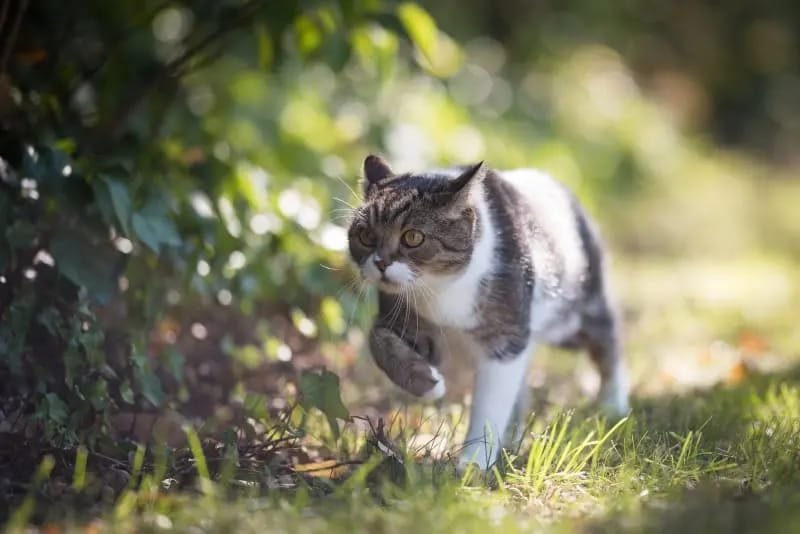
Cat Limping on a Front Leg
A cat limping on a front leg may have difficulty placing weight on the affected limb or hesitate before walking, climbing, or jumping. The problem may involve the shoulder, elbow, wrist, paw, or toes. Some cats hold the leg slightly off the ground, while others continue walking with only a mild limp.
If the limping appears suddenly after a fall, fight, or other injury, or if your cat refuses to bear weight on the leg, a veterinary examination is recommended. Even a mild front leg limp that lasts more than a day or two should be evaluated to identify the underlying problem.
Cat Limping on a Back Leg
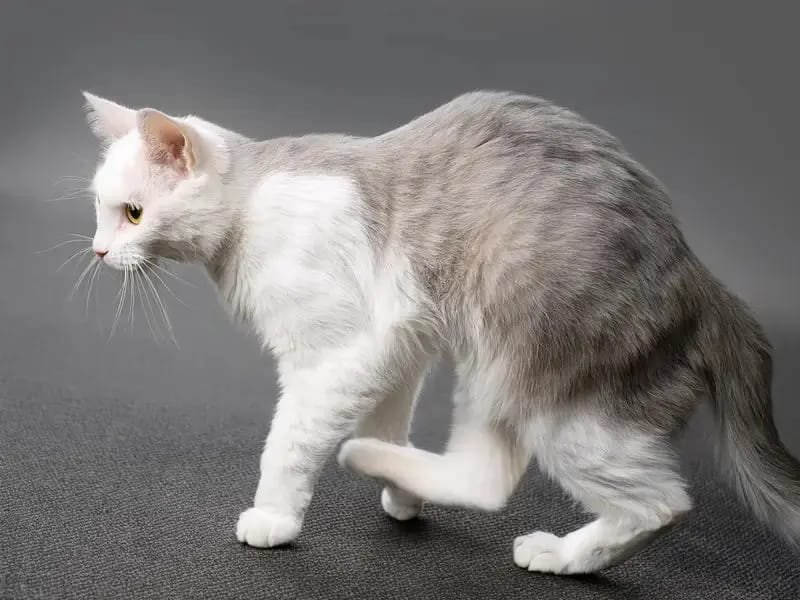
A cat limping on a back leg may walk with shorter steps, avoid jumping onto furniture, or have difficulty climbing stairs. The limp can involve the hip, knee, ankle, paw, or toes, and may affect one or both hind legs.
Persistent limping, swelling, obvious pain, or difficulty standing should always be checked by a veterinarian. Early diagnosis can help prevent the condition from worsening and ensure your cat receives appropriate treatment.
Symptoms That May Occur with Cat Limping
Cat limping can occur along with other signs that help identify the underlying cause. Some cats show only a change in the way they walk, while others develop additional symptoms that may indicate pain, injury, or illness.
Difficulty Walking
Your cat may walk unevenly, take shorter steps, or avoid putting weight on the affected leg. In more severe cases, it may refuse to use the leg altogether.
Swelling
Swelling around the paw, leg, or joints can occur after an injury, infection, or inflammation. The affected area may also feel warm or painful to the touch.
Licking the Affected Leg
Cats often lick or chew the painful area in an attempt to relieve discomfort. Excessive grooming of one leg or paw may indicate an underlying problem.
Reduced Activity
A limping cat may become less active, avoid running or jumping, and spend more time resting than usual.
Appetite Changes
Pain or illness can cause some cats to eat less or lose interest in food, especially if the limping is linked to an underlying medical condition.
Behavioral Changes
Cats in pain may hide more often, become irritable, avoid being touched, or show less interest in playing and interacting with family members.
When to See a Veterinarian
Not every case of cat limping is an emergency, but it should never be ignored if it persists or becomes worse. Early veterinary care can help identify the cause and prevent minor problems from developing into more serious conditions.
Persistent Limping
If your cat continues limping for more than 24 to 48 hours or the limp becomes more noticeable, schedule a veterinary examination. Persistent limping often indicates an underlying problem that requires treatment.
No Weight Bearing
If your cat refuses to put weight on the affected leg or cannot walk normally, seek veterinary care as soon as possible. This may indicate a fracture, dislocation, or another serious injury.
Swelling or Bleeding
Visible swelling, bleeding, open wounds, or a damaged nail should be examined by a veterinarian, especially if the injury appears painful or becomes worse.
Severe Pain
Crying, growling, hiding, aggression, or reacting when the leg is touched may indicate significant pain that requires prompt medical attention.
Other Symptoms
Limping accompanied by fever, loss of appetite, lethargy, difficulty breathing, or other unusual symptoms may be linked to an underlying illness and should be evaluated by a veterinarian.
How Veterinarians Diagnose Cat Limping
Cat limping can have many possible causes, so identifying the underlying problem is an important part of treatment. Your veterinarian will review your cat’s medical history, ask when the limping began, and perform a thorough physical examination. Additional tests may be recommended depending on the findings.
Physical Examination
Your veterinarian will examine the affected leg, paw, joints, and spine to identify pain, swelling, wounds, or reduced range of motion. They will also observe how your cat stands and walks.
X-rays
X-rays help detect fractures, joint problems, arthritis, bone disease, and other conditions that may be causing the limp.
Blood Tests
Blood tests may be recommended if an infection, inflammation, or underlying medical condition is suspected.
Advanced Imaging
In more complex cases, your veterinarian may recommend ultrasound, CT scans, or MRI to evaluate injuries that aren’t visible on X-rays.
Joint or Tissue Tests
If necessary, samples of joint fluid or tissue may be collected to help diagnose infections, immune-mediated diseases, or certain types of cancer.
Treatment for Cat Limping
The treatment for cat limping depends on the underlying cause. Since limping is a symptom rather than a disease, your veterinarian will recommend a treatment plan based on the condition affecting your cat. Many cats recover well with early diagnosis and appropriate care.
Medications
Pain relievers, anti-inflammatory medications, antibiotics, or other prescription drugs may be used to reduce pain, treat infections, or manage inflammation. Give medications only as directed by your veterinarian.
Rest
Restricting activity is often an important part of recovery. Limiting running, jumping, and climbing gives injured muscles, joints, and bones time to heal.
Surgery
Severe fractures, ligament injuries, dislocations, or certain tumors may require surgery to restore normal limb function.
Physical Rehabilitation
Some cats benefit from physical therapy, controlled exercise, or other rehabilitation techniques to improve strength, flexibility, and mobility after an injury or surgery.
Underlying Cause
Conditions such as arthritis, infections, nerve disorders, or immune-mediated diseases require treatment tailored to the specific diagnosis. Addressing the underlying problem is the most effective way to resolve limping.
Follow Up Care
Regular follow up visits allow your veterinarian to monitor your cat’s recovery and adjust the treatment plan if needed. Following all recommendations help to improve healing and reduces the risk of long term complications.
Home Care for a Limping Cat
Home care can help keep your cat comfortable, but it should not replace veterinary treatment. If your cat is limping, monitoring the symptoms and limiting activity can help prevent the injury from getting worse while you arrange a veterinary visit.
Limit Activity
Keep your cat indoors and discourage running, jumping, or climbing. Restricting movement gives injured muscles, joints, and bones time to heal.
Check the Paw
Carefully inspect the affected paw for cuts, swelling, torn nails, or foreign objects such as thorns or glass. If your cat becomes distressed or aggressive, stop the examination and contact your veterinarian.
Provide Comfort
Give your cat a quiet, comfortable place to rest with easy access to food, water, and the litter box. This helps reduce unnecessary movement during recovery.
Monitor the Limp
Watch for changes in the severity of the limp, swelling, or new symptoms. Recording a short video of your cat walking can help your veterinarian assess the problem.
Avoid Human Medications
Never give your cat human pain relievers or other medications unless instructed by your veterinarian. Many human medications are toxic to cats and can cause serious health problems.
Prevention
Cat limping can sometimes be prevented by taking steps to reduce the risk of injuries and support your cat’s joint and overall health.
Keep Indoors
Keeping your cat indoors or supervising outdoor time can reduce the risk of accidents, fights, and other injuries.
Healthy Weight
Maintaining a healthy body weight helps reduce stress on the joints and lowers the risk of mobility problems, especially in older cats.
Trim Nails
Regular nail trimming helps prevent torn nails, ingrown claws, and other paw injuries that can lead to limping.
Safe Environment
Reduce the risk of falls and injuries by providing stable climbing surfaces and removing potential hazards around your home.
Routine Checkups
Regular veterinary examinations can identify health problems early and help prevent minor issues from becoming more serious.
Use Parasite Prevention
Keeping your cat on a veterinarian recommended parasite prevention program which can help to reduce the risk of certain infections that may affect the joints or overall health.
FAQ
Why is my cat limping but not crying?
Cats naturally hide pain, so they may continue walking and behaving normally even with an injury. Any persistent limp should be evaluated by a veterinarian.
Can a cat limp heal on its own?
Minor sprains or soft tissue injuries may improve with rest, but limping that persists, worsens, or prevents your cat from bearing weight requires veterinary care.
Why is my cat limping but still jumping?
Some cats continue to run and jump despite being in pain. Limping can still indicate an injury or underlying medical condition, even if your cat remains active.
Should I wrap my cat’s leg?
No. Wrapping a cat’s leg without veterinary guidance can worsen the injury or reduce blood circulation. It’s best to have the injury examined first.
Can arthritis cause cat limping?
Yes. Arthritis is a common cause of limping, especially in older cats. It often causes stiffness, reduced mobility, and difficulty jumping.
Conclusion
Cat limping is a sign that something is affecting your cat’s ability to walk comfortably. It can result from minor injuries, paw problems, arthritis, infections, or more serious medical conditions. Paying close attention to changes in your cat’s movement and recognizing other accompanying symptoms can help identify when veterinary care is needed.
Persistent limping should never be ignored, even if your cat continues to walk, run, or jump. Early diagnosis and appropriate treatment can improve recovery and help prevent complications. Routine veterinary checkups, a safe environment, regular nail care, and maintaining a healthy weight all play an important role in supporting your cat’s mobility and long term well being.