
Cat wheezing is an abnormal breathing sound that usually occurs when air has difficulty moving through narrowed or irritated airways. It may develop suddenly or gradually and can range from a mild, occasional noise to persistent wheezing that makes breathing difficult. Although some causes are minor, wheezing is not considered normal in cats and should never be ignored.
Cat wheezing can be linked to conditions such as asthma, respiratory infections, allergies, parasites, foreign objects in the airway, or heart disease. Identifying the underlying cause is important because the appropriate treatment depends on what is affecting your cat’s breathing. This article explains the common causes of cat wheezing, associated symptoms, available treatment options, and the situations where veterinary care is needed.
What Is Cat Wheezing?
Cat wheezing is a high pitched, whistling sound that occurs when air passes through narrowed or partially blocked airways. The sound is usually heard while your cat breathes out, although it can also occur during inhalation in some cases. Unlike purring, wheezing is not a normal breathing sound and often indicates that something is interfering with normal airflow.
Wheezing is a symptom, not a disease. It can develop because of inflammation, excess mucus, muscle spasms in the airways, or a physical obstruction. Conditions such as asthma, respiratory infections, allergies, parasites, and heart disease are some of the possible causes. The severity can vary from occasional, mild episodes to persistent wheezing accompanied by breathing difficulty, making it important to identify the underlying cause as early as possible.
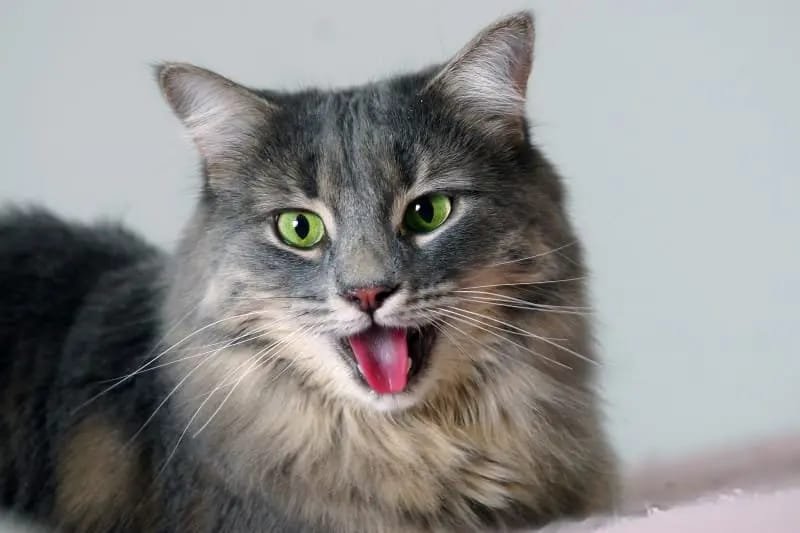
Cat Wheezing vs. Coughing
Cat wheezing and cat coughing may seem similar, but they are different signs of respiratory problems. Wheezing is a whistling or squeaking sound that occurs when the airways become narrowed, while coughing is the body’s natural way of clearing mucus, irritants, or foreign material from the airways.
A cat with wheezing usually makes an unusual sound while breathing, whereas a coughing cat has short coughing spells that may look like it’s trying to bring something up. Some conditions, such as feline asthma, can cause both wheezing and coughing. If you’re unsure which one your cat is experiencing, recording a video of the episode can help your veterinarian identify the cause more accurately.
Cat Wheezing vs. Hairballs
Cat wheezing and hairballs can look similar at first, but they have different causes. Hairballs develop when swallowed fur collects in the stomach and is expelled through gagging or retching. In contrast, cat wheezing occurs when narrowed or irritated airways make it difficult for air to move normally through the lungs.
During a hairball episode, your cat may crouch, stretch its neck, and repeatedly gag before bringing up a hairball. A wheezing cat, however, usually produces a whistling or squeaking sound while breathing without bringing anything up. If your cat repeatedly seems to be trying to expel a hairball but nothing comes out, or the episode is accompanied by breathing difficulty, consult your veterinarian to rule out asthma or another respiratory condition.
Common Causes of Cat Wheezing
Cat wheezing can result from a variety of conditions that affect normal breathing. Some causes are temporary and mild, while others require proper veterinary treatment. Identifying the underlying problem is essential because the most effective treatment depends on what’s triggering the wheezing.
Asthma
Asthma in cats is one of the most common reasons cats develop wheezing. It occurs when inflammation causes the lower airways to narrow, making breathing more difficult. During an asthma flare-up, affected cats may also cough, breathe faster than usual, or experience episodes of respiratory distress.
Respiratory Infections
Respiratory infections caused by viruses, bacteria, or fungi can irritate the respiratory tract and interfere with normal breathing. Many affected cats also develop sneezing, nasal discharge, watery eyes, fever, or a reduced appetite.
Allergies and Environmental Irritants
Cats with sensitive airways may begin wheezing after exposure to cigarette smoke, dust, pollen, scented litter, perfumes, or strong cleaning products. Limiting contact with these irritants may help reduce flare-ups.
Parasites
Lungworms and, in some areas, heartworms can affect the lungs and make breathing more difficult. Cats with parasite infections may also develop coughing, reduced activity, or other respiratory signs, particularly if the infection is left untreated.
Foreign Objects
Small objects such as grass blades, seeds, or other debris can become trapped in the nose or throat, making it difficult for air to pass normally. This often leads to sudden wheezing, coughing, gagging, or repeated attempts to clear the obstruction.
Heart Disease
Some heart conditions can cause fluid to accumulate in or around the lungs, affecting normal breathing. Along with wheezing, affected cats may breathe rapidly, tire easily, or appear weak.
Nasal Polyps or Tumors
Nasal polyps and tumors are less common but can partially block the air passages and interfere with breathing. The wheezing usually develops gradually and may become more noticeable as the obstruction increases.
Symptoms of Cat wheezing
Cat wheezing is often accompanied by other signs that can provide important clues about the underlying cause. While some cats only wheeze occasionally, others may develop additional symptoms that indicate a more serious respiratory problem.
Persistent Coughing
Some cats experience repeated coughing along with wheezing, especially if the airways are inflamed or irritated. In certain conditions, such as asthma, both symptoms may occur together.
Rapid Breathing
Breathing may become faster than normal or require noticeable effort. Your cat may appear to breathe with its chest and abdomen moving more than usual.
Open Mouth Breathing
Healthy cats rarely breathe through their mouths. Open-mouth breathing accompanied by wheezing can indicate significant respiratory distress and should be treated as an emergency.
Sneezing and Nasal Discharge
Respiratory infections may cause wheezing along with frequent sneezing and a clear or colored nasal discharge.
Watery Eyes
Eye irritation or excessive tearing can occur when wheezing is associated with upper respiratory infections or allergies.
Reduced Appetite and Lethargy
Cats that have difficulty breathing often become less active and may lose interest in food because eating and breathing at the same time becomes uncomfortable.
Blue or Pale Gums
Blue or pale gums are a sign that your cat may not be getting enough oxygen. If this occurs, seek emergency veterinary care immediately.
When to See a Veterinarian
Not every case of cat wheezing is an emergency, but persistent or worsening symptoms should never be ignored. Knowing when to seek veterinary care can help prevent complications and ensure your cat receives the right treatment.
Persistent or Recurrent Wheezing
If your cat continues to wheeze or the episodes keep returning, schedule a veterinary appointment. Ongoing wheezing often indicates an underlying condition that requires diagnosis and treatment.
Difficulty Breathing
Labored breathing, rapid breathing, or open-mouth breathing should always be treated as a medical emergency. These signs suggest your cat may not be getting enough oxygen.
Sudden Onset of Wheezing
Wheezing that begins suddenly, especially after playing, chewing plants, or being outdoors, may indicate an inhaled foreign object or another urgent problem. Prompt veterinary evaluation is important to identify the cause.
Blue or Pale Gums
Blue or pale gums are a sign that your cat may not be getting enough oxygen. If you notice this, or if your cat collapses or becomes unresponsive, seek emergency veterinary care immediately.
Behavior Changes
Wheezing accompanied by lethargy, loss of appetite, weight loss, fever, or reduced activity should not be ignored. These changes may suggest an infection or another illness affecting your cat’s overall health.
Respiratory Symptoms
If your cat develops coughing, sneezing, nasal discharge, or watery eyes along with wheezing, a veterinary examination is recommended. These symptoms may be associated with respiratory infections, asthma, or allergies.
How Veterinarians Diagnose Cat Wheezing
Cat wheezing can result from a wide range of medical conditions, so identifying the underlying cause is an important part of treatment. Your veterinarian will review your cat’s medical history, ask about the symptoms you’ve noticed, and perform a physical examination. Depending on the findings, additional tests may be recommended to confirm the diagnosis.
Physical Examination
Your veterinarian will listen to your cat’s heart and lungs with a stethoscope and check for abnormal breathing sounds, nasal discharge, or other signs of respiratory disease.
Chest X-rays
Chest X-rays allow your veterinarian to examine the lungs and airways. They can help detect asthma, pneumonia, fluid around the lungs, or other abnormalities that may be affecting your cat’s breathing.
Blood Tests
Blood tests may be performed to look for signs of infection, inflammation, or underlying medical conditions that could be contributing to the wheezing.
Parasite Testing
If a parasitic infection is suspected, your veterinarian may recommend testing for lungworms, heartworms, or other parasites that can affect the respiratory system.
Additional Tests
In more complex cases, advanced procedures such as bronchoscopy, airway sampling, or CT scans may be recommended to identify the underlying cause and guide treatment.
Treatment for Cat Wheezing
The treatment for cat wheezing depends on the underlying cause. Since wheezing is a symptom rather than a disease, your veterinarian will focus on treating the condition that’s affecting your cat’s breathing. Once the cause is identified, many cats improve with appropriate medical care.
Medications
Cats with asthma, allergies, or respiratory infections may be prescribed medications such as bronchodilators, anti-inflammatory drugs, antibiotics, or antifungal medications. Always give medications exactly as directed by your veterinarian.
Oxygen Therapy
If your cat is having severe difficulty breathing, oxygen therapy may be needed to help stabilize its condition while further treatment is provided.
Parasite Treatment
When lungworms, heartworms, or other parasites are responsible for wheezing, your veterinarian will recommend the appropriate antiparasitic medication to eliminate the infection.
Removing Foreign Objects
If a foreign object is blocking the airway, it may need to be removed using specialized instruments or, in some cases, surgery to restore normal breathing.
Treating Underlying Conditions
Heart disease, nasal polyps, tumors, or other medical conditions require treatment tailored to the specific diagnosis. Managing the underlying problem is the best way to reduce or eliminate wheezing.
Follow Up Care
Some conditions, such as asthma or heart disease, require long-term monitoring and regular veterinary checkups. Following your veterinarian’s treatment plan and attending follow up visits can help keep your cat’s breathing under control and reduce the risk of future flare ups.
Home Care for a Wheezing Cat
Home care can help keep your cat comfortable, but it should never replace veterinary treatment. If your cat is wheezing, monitoring the symptoms and reducing potential triggers may help while you arrange a veterinary visit.
Keep the Environment Calm
Stress can make breathing more difficult for some cats. Provide a quiet, comfortable place where your cat can rest without unnecessary activity or excitement.
Reduce Airway Irritants
Keep your cat away from cigarette smoke, dust, strong perfumes, scented candles, air fresheners, and harsh cleaning products. These irritants can worsen wheezing in sensitive cats.
Encourage Hydration
Make sure your cat has access to fresh, clean water at all times. Staying hydrated helps support overall health and may keep respiratory secretions from becoming too thick.
Monitor Your Cat
Pay attention to how often your cat wheezes, whether the episodes become more severe, and if new symptoms develop. Recording a video of the wheezing can be helpful for your veterinarian.
Prevention
Preventing cat wheezing isn’t always possible because it can result from a variety of medical conditions. However, a few simple preventive measures can help support your cat’s respiratory health and lower the risk of certain breathing problems.
Vaccination
Keeping your cat’s vaccinations up to date helps protect against several respiratory infections that may affect the airways. Follow the vaccination schedule recommended by your veterinarian.
Avoid Irritants
Reduce your cat’s exposure to cigarette smoke, dust, scented litter, air fresheners, strong perfumes, and harsh cleaning products. A clean, well-ventilated environment can help protect sensitive airways.
Parasite Control
Use regular parasite prevention to reduce the risk of lungworms, heartworms, and other parasites that can affect the respiratory system.
Routine Checkups
Regular veterinary examinations can detect health problems early, allowing treatment to begin before symptoms become more serious.
Healthy Lifestyle
A balanced diet, fresh water, regular exercise, and maintaining a healthy weight all support your cat’s immune system and overall respiratory health.
FAQ
Is cat wheezing always a sign of asthma?
No. Asthma is a common cause, but wheezing can also result from infections, allergies, parasites, heart disease, or airway blockages.
Why is my cat wheezing but acting normal?
Occasional wheezing can occur without other symptoms, but repeated episodes should be checked by a veterinarian to rule out an underlying problem.
Can indoor cats develop wheezing?
Yes. Indoor cats can wheeze because of asthma, allergies, infections, heart disease, or exposure to indoor irritants.
Can allergies cause cat wheezing?
Yes. Allergens such as dust, pollen, mold, cigarette smoke, and strong fragrances can irritate the airways and trigger wheezing.
Is cat wheezing an emergency?
Not always. However, wheezing with open-mouth breathing, severe breathing difficulty, blue gums, or collapse requires immediate veterinary care.
Conclusion
Cat wheezing is not a disease itself but a sign that something is affecting your cat’s breathing. It can result from conditions such as asthma, respiratory infections, allergies, parasites, heart disease, or airway obstructions. Recognizing the symptoms early and identifying the underlying cause are essential for ensuring your cat receives the appropriate treatment. Even if wheezing seems mild at first, it should never be ignored if it persists or becomes more frequent. Regular veterinary checkups, timely vaccinations, parasite prevention, and reducing exposure to respiratory irritants can help support your cat’s respiratory health. If your cat develops ongoing wheezing or has difficulty breathing, seek veterinary care promptly to improve the chances of a full recovery.