
Should you bathe cats? This is one of the most common questions new cat owners ask, and the honest answer is: it depends. Most cats groom themselves so well that regular bathing isn’t necessary, but there are specific situations where bathing becomes important for your cat’s health and hygiene. In this guide, we’ll answer should you bathe cats in simple, easy-to-understand language, covering exactly when a bath is needed, how to do it safely without stressing your cat out, and the situations where bathing should be avoided altogether. By the end of this article, you’ll know exactly should you bathe cats in your specific situation, and how to do it the right way if the answer is yes.
1. Should You Bathe Cats? The Short Answer
Should you bathe cats regularly, the way you would a dog? For most healthy adult cats, the answer is no. Cats are naturally self-cleaning animals, and their tongues are covered in tiny, backward-facing barbs called papillae that work like a built-in grooming brush. This means most cats keep themselves clean enough on their own, and unnecessary bathing can actually strip natural oils from their skin and coat, leading to dryness and irritation.
That said, should you bathe cats sometimes? Absolutely. There are clear situations where bathing becomes necessary rather than optional, and understanding these situations is the key to good cat care.
2. Situations Where Bathing Your Cat Becomes Necessary
Knowing exactly when to bathe your cat helps answer should you bathe cats with more confidence. Here are the most common situations:
Your cat got into something dirty, sticky, or toxic. If your cat has walked through paint, oil, chemicals, or something sticky that grooming alone can’t remove, a bath becomes essential, since your cat may otherwise try to lick it off and ingest something harmful.
Your cat has a skin condition or infection. Vets often recommend medicated baths for cats dealing with fungal infections, flea infestations, or certain skin allergies. In these cases, should you bathe cats becomes a clear yes, guided by veterinary instructions.
Your cat is overweight, senior, or has mobility issues. Cats with arthritis, obesity, or age-related stiffness often can’t reach every part of their body to groom properly. Bathing helps fill this hygiene gap when self-grooming isn’t enough.
Your cat has long hair that mats easily. Long-haired breeds like Persians or Maine Coons sometimes need occasional baths combined with regular brushing to prevent matting and keep their coat manageable.
Your cat has a strong, persistent odor. If regular grooming isn’t controlling odor and there’s no underlying medical cause, an occasional bath can help, though persistent odor should also be checked by a vet to rule out infection.
3. Situations Where You Should Not Bathe a Cat
Just as important as knowing when to bathe is knowing when not to. Should you bathe cats in these situations? No.
Avoid bathing a cat that is healthy, clean, and already grooming normally, since unnecessary washing removes natural skin oils and can cause dryness or irritation. Avoid bathing kittens younger than four weeks old unless specifically instructed by a vet, as they can’t regulate their body temperature well and are at risk of getting dangerously cold. Avoid bathing a cat that is injured, recovering from surgery, or has open wounds without veterinary guidance, since water can interfere with healing or introduce bacteria. And avoid bathing a cat purely out of habit or schedule, the way you might with a dog, because cats simply don’t need it at the same frequency.
4. How Often Should You Bathe Cats?
A big part of answering should you bathe cats correctly is understanding frequency. Most healthy, short-haired cats never need a bath in their entire life unless a specific situation calls for it. Long-haired cats may benefit from a bath every four to six weeks if matting or oil buildup becomes an issue, alongside regular brushing. Cats with diagnosed skin conditions may need medicated baths on a schedule set specifically by their veterinarian, which could range from weekly to monthly depending on severity. Outdoor cats exposed to dirt, parasites, or the elements more often may need occasional baths, but even then, it should be based on need rather than a fixed calendar schedule.
5. How to Bathe a Cat Safely, Step by Step
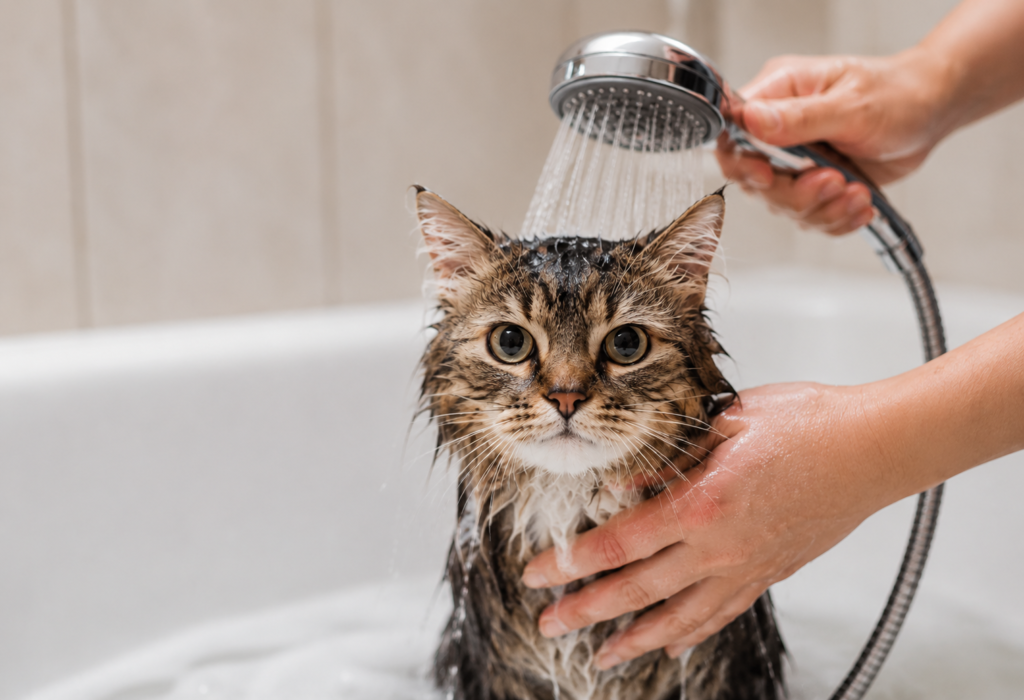
If you’ve determined the answer to should you bathe cats is yes for your situation, here’s how to do it safely and with minimal stress for your cat.
Step one: prepare everything in advance. Gather cat-specific shampoo, towels, a cup or handheld sprayer, and a non-slip mat before you even bring your cat near the water. Having everything ready reduces the time your cat spends stressed in the bathing area.
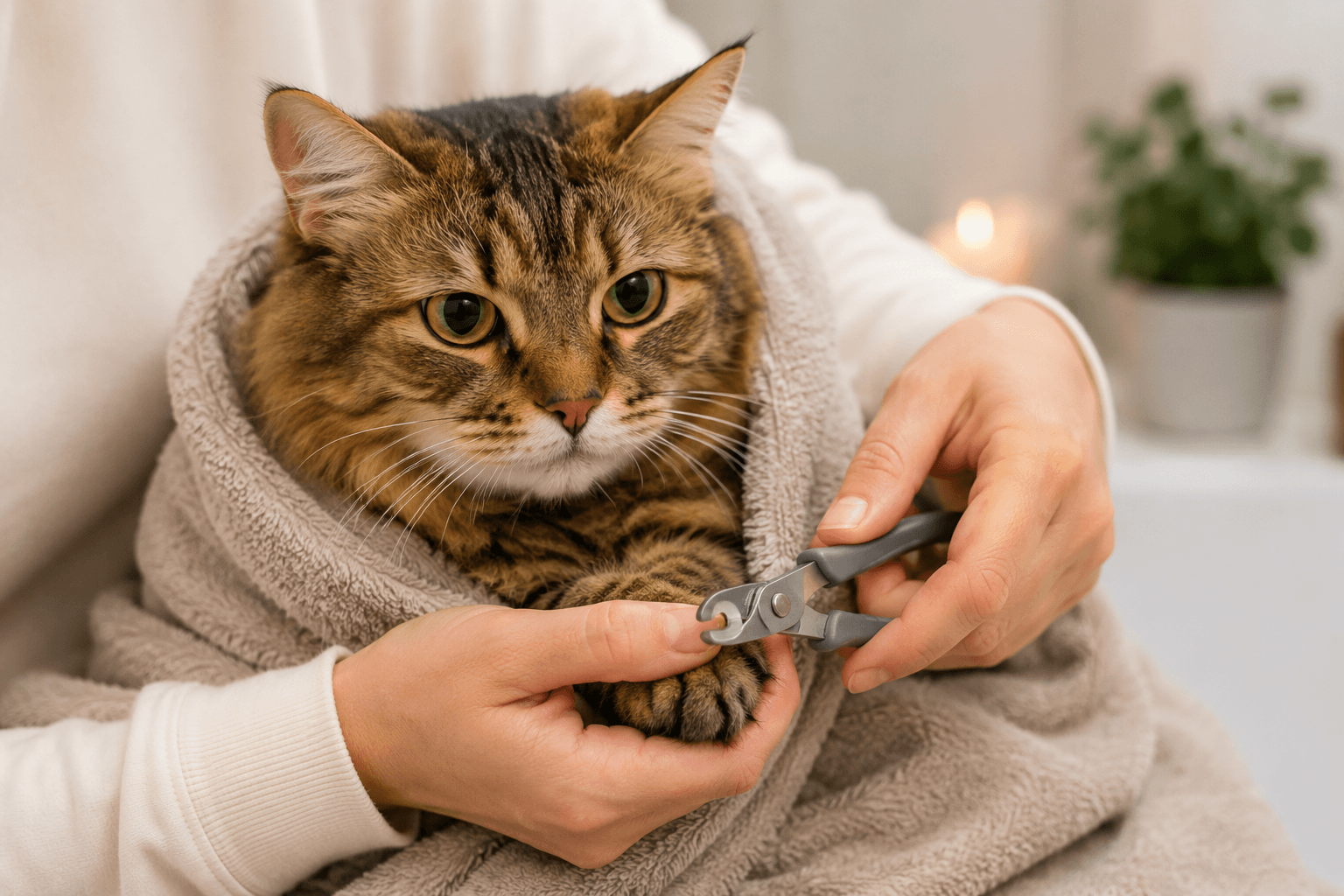
Step two: trim your cat’s nails first. A quick nail trim before bath time reduces the risk of scratches if your cat becomes anxious or tries to escape during the process.
Step three: use lukewarm water only. Water that’s too hot or too cold can cause distress or even harm. Lukewarm water, similar to a comfortable bath temperature for a baby, is ideal for cat bathing.
Step four: wet your cat gradually, avoiding the face. Use a cup or handheld sprayer to slowly wet your cat’s body, starting from the neck down. Keep water away from the eyes, ears, and nose to avoid discomfort or infection.
Step five: use cat-specific shampoo only. Human shampoo, dish soap, or dog shampoo can disrupt your cat’s skin pH and cause irritation. Always use a shampoo formulated specifically for cats, or one recommended by your vet for medicated baths.
Step six: rinse thoroughly. Leftover shampoo residue can irritate the skin and lead to excessive licking afterward, so rinse until the water runs completely clear.
Step seven: dry your cat immediately and thoroughly. Wrap your cat in a warm, absorbent towel right away, and use a low-heat blow dryer only if your cat tolerates the noise, keeping the dryer a safe distance from the skin. Cats can get cold quickly when wet, so thorough drying is essential.
Step eight: reward calmly afterward. A treat or gentle praise after the bath helps your cat associate the experience with something positive, making future baths easier if they’re ever needed again.
6. Signs Your Cat Is Stressed During a Bath
Recognizing stress signals helps you bathe more safely and know when to pause. Watch for flattened ears, a puffed-up tail, growling or hissing, rapid breathing, or attempts to bolt. If your cat shows strong distress, it’s better to stop, dry them off, and try again later or seek help from a professional groomer or vet, rather than pushing through a stressful bath.
7. Alternatives to Bathing a Cat
Since the answer to should you bathe cats is often “not necessary,” there are excellent alternatives that maintain hygiene without a full bath. Regular brushing removes loose fur, dirt, and distributes natural oils across the coat, often accomplishing what a bath would without the stress. Cat-safe grooming wipes can spot-clean small dirty areas without a full bath. Waterless cat shampoo or dry shampoo powders can freshen a coat between baths when needed. And professional grooming services can safely handle baths for cats that are particularly anxious about water, using techniques that minimize stress.
8. What Veterinary Experts Say About Bathing Cats
Veterinary professionals generally agree that healthy cats with normal grooming habits do not need routine baths, and that over-bathing can actually do more harm than good by stripping protective skin oils. However, vets consistently recommend bathing in specific medical situations, such as flea treatment baths, medicated shampoo therapy for skin conditions, or cleanup after exposure to toxic substances. The expert consensus on should you bathe cats is clear: base the decision on your individual cat’s health, coat type, and specific circumstances rather than a fixed routine, and always consult your vet if you’re uncertain whether a bath is appropriate.
9. Frequently Asked Questions About Bathing Cats
Should you bathe cats if they never go outside? Usually not. Indoor cats that groom normally rarely need baths unless they get into something messy or have a medical condition requiring one.
Should you bathe cats with a specific shampoo? Yes, always use a shampoo formulated specifically for cats. Human shampoo and dog shampoo can disrupt a cat’s skin pH and cause irritation. we can also use cat grooming products.
Should you bathe cats that hate water? Generally, avoid forcing a bath on a cat that shows strong distress. Try grooming wipes or waterless shampoo instead, or consult a professional groomer for safer handling.
Should you bathe cats after a flea treatment? Only if your vet specifically recommends a medicated flea bath as part of treatment. Otherwise, most flea prevention today comes in topical or oral form that doesn’t require bathing.
Should you bathe cats with long hair more often? Long-haired cats may benefit from occasional baths, roughly every four to six weeks, combined with regular brushing to prevent matting.
Should you bathe cats right after surgery? No, not without direct veterinary guidance. Water can interfere with healing incisions or introduce bacteria to a recovering wound.
10. Final Thoughts on Should You Bathe Cats
So, should you bathe cats? For most healthy, self-grooming cats, regular bathing simply isn’t necessary and can even cause more harm than good by removing natural skin oils. However, there are clear situations, such as skin conditions, mobility issues, exposure to toxic substances, or specific veterinary recommendations, where bathing becomes an important part of your cat’s care routine. The key takeaway when deciding should you bathe cats is to base your decision on your individual cat’s health, coat, age, and circumstances, follow safe bathing steps when a bath is genuinely needed, and lean on alternatives like brushing and grooming wipes the rest of the time. When in doubt, your veterinarian is always the best resource for confirming whether bathing your specific cat is the right call.